matt.tansy
Muse
- Joined
- Feb 23, 2007
- Messages
- 991
You know, when trying to appear knowledgeable about a subject, it's very important to get the basic stuff right.
Ain't that a hoot? This from a guy who claims to have 20 years experience in DF.

You know, when trying to appear knowledgeable about a subject, it's very important to get the basic stuff right.

Ah, so Hokkaido was sneaking up on Oahu. I never thought if it that way.
It sounds to me like Grogan's target was indeed large (the Japanese islands) and slow moving (full plate tectonic speed ahead!).
Ah, so Hokkaido was sneaking up on Oahu. I never thought if it that way.
 Oh, you guys.
At what point would Takeo have thought something was unusual?
Given he had no idea when the attack would occur how would he even deem something to be unusual?
Kido Butai didn't transmit.

Yoshikawa would have had to send this information through the telegraph system, which could have been experiencing "technical difficulties". I do smile at the idea that an alerted Hawaii would allow a consular official to send telegrams to Tokyo.The signs that the US thought that an attack was impending would be mostly unmistakable though not necessarily immediately obvious.
Deploying additional AA guns and manning them, deploying barrage balloons, increased combat air patrols, keeping troops on base in a state of increased readiness (which would also include things like fortifying the base perimeter and gates), even increased readiness on the ships (keeping the crews mostly onboard and not often out on pass in peacetime would be unusual). If nothing else, it would generate comment among the population and Takeo might hear or see things that would tell him something was up with the US military.
It would inconceivable for any commander, expecting a military attack, to not take steps to strengthen his defenses and increase his readiness. The break in routine for a peacetime military would be probably rather obvious.
that the scouting sub would be told to transmit on a lesser used frequency or one that typically the IJN doesn't use. So it is not all that unlikely that a solitary or small number of messages could escape detection.
The messages from a scouting sub makes a lot of military sense.

I cannot find the source that mention this but I believe the sub sent a four letter code out using a freguency used by Japanese fishing boats/merchant ships
I cannot find the source that mention this but I believe the sub sent a four letter code out using a freguency used by Japanese fishing boats/merchant ships
And Bob doesn't even know the location of the Anchorage. (He'll be off to Google that now, for the first time.) That would make the message irrelevant to his DF quibbles.
Yoshikawa would have had to send this information through the telegraph system, which could have been experiencing "technical difficulties". I do smile at the idea that an alerted Hawaii would allow a consular official to send telegrams to Tokyo.

We know that the task force received at least two other reports via Tokyo that originated with the Hawaiian consulate. Also, the Japanese had set up a system for Japanese spies on Oahu to visually signal Japanese subs in the area.
Furthermore, as the Mori phone call proved, even if we had taken the extreme step of shutting down the consulate as part of the heightened alert status, Japanese spies may still have been able to contact Tokyo.
However, even in the hours immediately following the attack, we did not cut off all diplomatic communications. For example, officials at the New Orleans consulate were even able to burn papers hours after the attack.
FDR, not wanting to risk that Tokyo might somehow be alerted to any marked change in alert status, even if the consulate were shut down, played it safe.
The Vacant Sea order, issued at the same time the Kido Butai set sail (my, what a coincidence), is another indication that FDR was clearing the way for an attack on Pearl Harbor.
Yet another indication is the disclosure that, before the attack, FDR ordered a high-ranking Red Cross official to prepare for casualties in Hawaii.
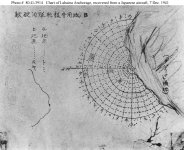
That doesn't actually say where the anchorage is.The Lahaina anchorage was used as an alternative anchorage to Pearl Harbor. Given this fact, and how close the Lahaina anchorage was to Pearl Harbor, it makes perfect sense that the task force would have wanted to know if any U.S. naval ships were there in any numbers.
This information was relayed from a submarine division HQ to I-72, which in turn relayed it to the task force. Since I-72 was operating in support of the task force, it's no surprise that it received this info and then relayed it to the task force.
Did you get this information from Japanese records? What did they say about whether they transmitted?We know that the task force received at least two other reports via Tokyo that originated with the Hawaiian consulate. Also, the Japanese had set up a system for Japanese spies on Oahu to visually signal Japanese subs in the area.
You assume.Furthermore, as the Mori phone call proved, even if we had taken the extreme step of shutting down the consulate as part of the heightened alert status, Japanese spies may still have been able to contact Tokyo.
However, even in the hours immediately following the attack, we did not cut off all diplomatic communications. For example, officials at the New Orleans consulate were even able to burn papers hours after the attack.
FDR, not wanting to risk that Tokyo might somehow be alerted to any marked change in alert status, even if the consulate were shut down, played it safe.
Oddly enough, I can't find any sources for this but conspiracy websites. Of course, clearing the sea is also consistent with being unaware the attack is coming.The Vacant Sea order, issued at the same time the Kido Butai set sail (my, what a coincidence), is another indication that FDR was clearing the way for an attack on Pearl Harbor.
Again, facts primarily found on conspiracy websites and second-order personal stories. Nothing in the records. I like how FDR "ordered" a guy who he could not actually command to lay in supplies.Yet another indication is the disclosure that, before the attack, FDR ordered a high-ranking Red Cross official to prepare for casualties in Hawaii.
Yeah, and that's in the real world. Try to keep up.We know that the task force received at least two other reports via Tokyo that originated with the Hawaiian consulate. Also, the Japanese had set up a system for Japanese spies on Oahu to visually signal Japanese subs in the area.
And report the status of the hyacinths. That's important intell.Furthermore, as the Mori phone call proved, even if we had taken the extreme step of shutting down the consulate as part of the heightened alert status, Japanese spies may still have been able to contact Tokyo.
Wow, I guess everything you say is true then. And Andrew Jackson was a Kaitempei spy too!However, even in the hours immediately following the attack, we did not cut off all diplomatic communications. For example, officials at the New Orleans consulate were even able to burn papers hours after the attack.
He wouldn't want the Japanese to know we knew they were coming. But there's no reason not to alert our forces. Only an idiot would believe in LIHOP.FDR, not wanting to risk that Tokyo might somehow be alerted to any marked change in alert status, even if the consulate were shut down, played it safe.
Have you even read it? Got a copy? Care to show how it helped the Japanese? They were traveling the hard way to Hawaii, something nobody else did.The Vacant Sea order, issued at the same time the Kido Butai set sail (my, what a coincidence), is another indication that FDR was clearing the way for an attack on Pearl Harbor.
Crap, the Hawaiian Red Cross reports makes fools out of anybody who tries that one. They started preparing for war before Kimmel and Short did, in some particulars in January of 1941. Even the INHQ didn't know about the attack then, but anyone can read the papers.Yet another indication is the disclosure that, before the attack, FDR ordered a high-ranking Red Cross official to prepare for casualties in Hawaii.
Did you get this information from Japanese records? What did they say about whether they transmitted?
That doesn't actually say where the anchorage is.