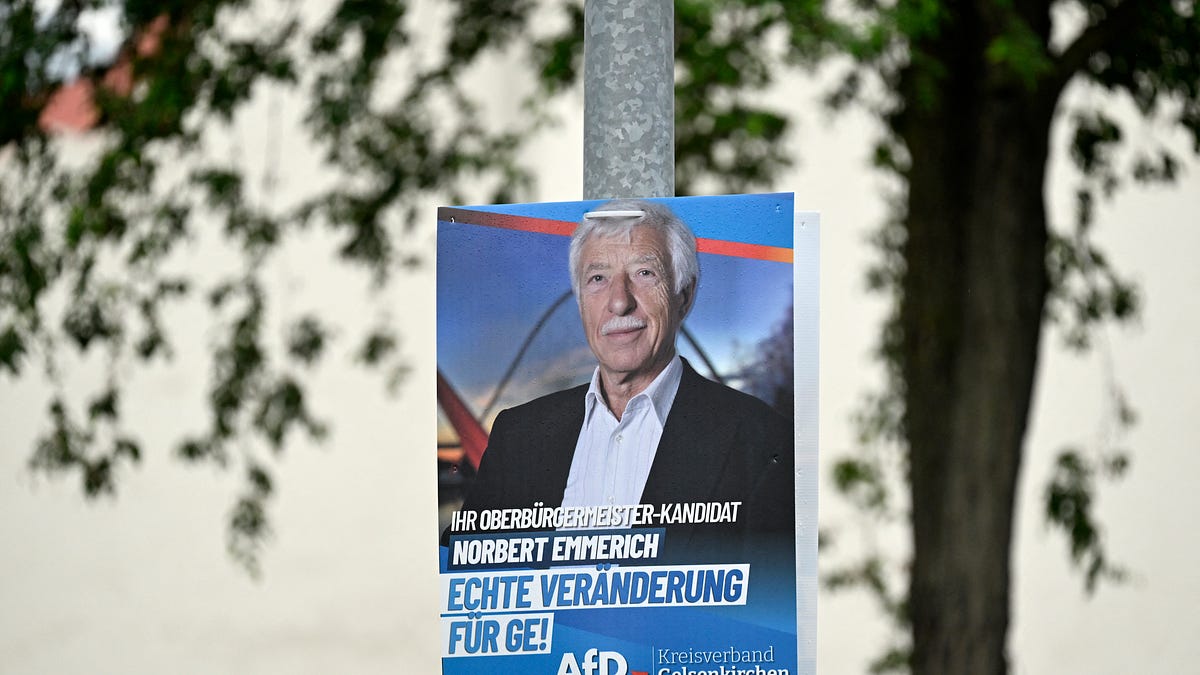
Came across an interesting post about the "representation gap" between voters and legislators on immigration issues today:
A large minority of the public wants tougher policies on crime and immigration

www.slowboring.com
I think it should be viewable without a subscription, but I'm not entirely sure.
In that post, the author attempts to apply the lessons of this
new paper to the U.S., which sounds like a leap but the author of the original paper did say he was seeing similar effects on "nearly all cultural issues...in nearly all countries" studied.
On [cultural] questions, incumbent M.P.s are significantly to the left of the population average. Or maybe a better way to think about this is that in most countries, there is a large minority bloc of voters with extreme right-wing views that are echoed by few if any M.P.s, especially from mainstream parties.
In proportional systems, that creates an easy space for new parties to fill. In the U.S., it created space for Donald Trump to remake the G.O.P. I don’t think “the center-left should become more right-wing on crime and immigration” is the only possible conclusion to draw from this data, but I think that everyone ought to take the data seriously and consider the tradeoffs involved in their own choices.
Many will say Democrats need to hold their ground on cultural questions, even if this causes them to drift ever further towards the purist stances of lefty activist groups and further away from the views of median voters. On this point, I must remain skeptical.