If I were to get a second car, EV would definitely be on the list, but we only have one car and I just can't see having only one car and it be an EV. We are going to drive for about 8 hours two days from now, I'd hate to take the chance on not find a fast charger if we need it.

You are using an out of date browser. It may not display this or other websites correctly.
You should upgrade or use an alternative browser.
You should upgrade or use an alternative browser.
The Electric Revolution
- Thread starter acbytesla
- Start date
acbytesla
Penultimate Amazing

- Joined
- Dec 14, 2012
- Messages
- 39,540
I'm not sure where you live. But chargers are located just about everywhere today you can download multiple apps for your phone that will tell you where almost all of them are. That said there definitely can be challenges.If I were to get a second car, EV would definitely be on the list, but we only have one car and I just can't see having only one car and it be an EV. We are going to drive for about 8 hours two days from now, I'd hate to take the chance on not find a fast charger if we need it.
But I get the concern. I have a close friend that owns a hair salon in Bellevue, Washington and another in Bend Oregon. He has homes in both places. It's a 6 to 8 hour drive depending on traffic.(340 miles). He used to drive a Corvette, now a Tesla. He could easily make a non-stop in the Vette. But he is now on his third Tesla. He still stops for a charge once on the drive, but now it's because he wants to, not because he has to.
Rolfe
Adult human female

novaphile
Quester of Doglets

Garbage trucks are absolutely ideal for electrification.
They drive short, fixed, local, routes. (So their journey is entirely known and predictable.)
Their work is almost entirely stop start.
The stopping part is ideal for regeneration, and the starting part is ideal for the 'maximum torque at zero' of electric motors.

They drive short, fixed, local, routes. (So their journey is entirely known and predictable.)
Their work is almost entirely stop start.
The stopping part is ideal for regeneration, and the starting part is ideal for the 'maximum torque at zero' of electric motors.
Its more about when, like now when we go on a road trip, there may be plenty of chargers in Wyoming and S. Dakota, on the other hand, I know there plenty of gas stations and its below freezing.I'm not sure where you live. But chargers are located just about everywhere today you can download multiple apps for your phone that will tell you where almost all of them are. That said there definitely can be challenges.
But I get the concern. I have a close friend that owns a hair salon in Bellevue, Washington and another in Bend Oregon. He has homes in both places. It's a 6 to 8 hour drive depending on traffic.(340 miles). He used to drive a Corvette, now a Tesla. He could easily make a non-stop in the Vette. But he is now on his third Tesla. He still stops for a charge once on the drive, but now it's because he wants to, not because he has to.
acbytesla
Penultimate Amazing
- Joined
- Dec 14, 2012
- Messages
- 39,540
I get it.Its more about when, like now when we go on a road trip, there may be plenty of chargers in Wyoming and S. Dakota, on the other hand, I know there plenty of gas stations and its below freezing.
Rolfe
Adult human female
Interesting development. I've seen this reported at a smaller scale even in temperate regions.
theprestige
Penultimate Amazing

Right up there with drowning a river valley to generate hydro power, stocking the new lake with fish, and clapping your hands over the new ecosystem you've created.
Roger Ramjets
Philosopher

Gobi DesertRight up there with drowning a river valley to generate hydro power, stocking the new lake with fish, and clapping your hands over the new ecosystem you've created.
The desertification started many thousands of years ago. Now we finally have both the technology and the will to reverse it. Why shouldn't we celebrate it?The expansion of the Gobi is attributed mostly to human activities, locally driven by deforestation, overgrazing, and depletion of water resources, as well as to climate change... Between 5000 cal BP and 4500 cal BP there was a period of desertification. Due to the increasing aridity between 3500 cal BP and 3000 cal BP there was a decline in human habitation
OTOH I don't see a lot of 'hand clapping' over repairing ecosystems damaged by power dams. It's seen more as a duty than something to crow about.
Flooding fertile valleys for hydro has fallen out of favor due to environmental concerns. In New Zealand for example, which is mostly powered by hydro, there are few remaining locations where new dams can be built without having unacceptable impact - which is why electricity producers are investing in wind and solar instead. Opposition from environmentalists was a big factor in this decision.
I suppose some 'greenies' may have clapped their hands over forcing Big Energy to do the right thing, but this is isn't the gotcha you imply.
Rolfe
Adult human female
"And the desert shall rejoice and blossom as the rose."
Rolfe
Adult human female
It would seem that that tweet was exaggerated. Although the Gobi desert is mentioned in this detailed article, the solar farm is mainly built on existing grassland, with novel techniques used to preserve the grassland use under the panels.
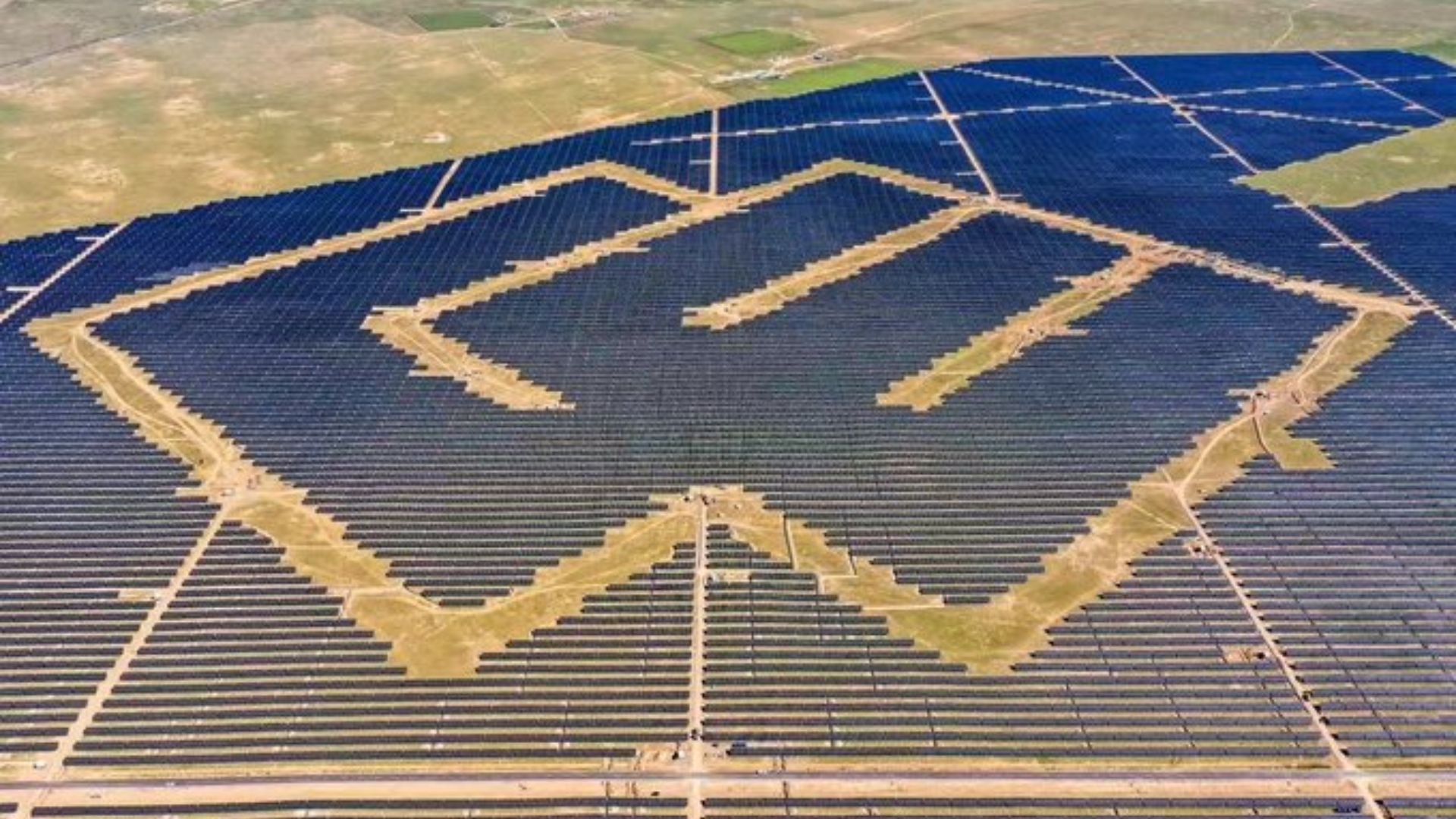
 interestingengineering.com
China’s new 3 GW desert solar plant can power 2 million homes
The Mengxi Blue Ocean PV Power Plant Project in Gobi desert is China's largest single site solar power plant.
interestingengineering.com
acbytesla
Penultimate Amazing
- Joined
- Dec 14, 2012
- Messages
- 39,540
I don't get the hate on for solar. And don't you live in the Pacific Northwest and benefit greatly from the power from the massive amount of hydroelectric power here?Right up there with drowning a river valley to generate hydro power, stocking the new lake with fish, and clapping your hands over the new ecosystem you've created.
Its like some folks don't understand trade offs. We are going to get electricity from somewhere and they all have some draw back or other. Anything is better than coal. Wind, solar, hydro, and nuclear are better than oil and gas. It will take a mix of all of them to get us off fossil fuels.I don't get the hate on for solar. And don't you live in the Pacific Northwest and benefit greatly from the power from the massive amount of hydroelectric power here?
theprestige
Penultimate Amazing
The desertification is a natural process. Why are we so proud of reversing it?Gobi Desert
The desertification started many thousands of years ago. Now we finally have both the technology and the will to reverse it. Why shouldn't we celebrate it?
Because that's man-made damage, caused by human desire. The debate over the extent of our duty to mitigate the effects of our artificial changes to the environment is very different from the debate over our "duty" to mitigate or reverse the effects of natural environmental evolution over time. In fact, many would argue that we have a duty not to try to change or reverse what the Gobi has naturally become.OTOH I don't see a lot of 'hand clapping' over repairing ecosystems damaged by power dams. It's seen more as a duty than something to crow about.
Solar also has environmental impacts. The concern seems selective, and subordinate to the "righteous" power generation solutions of the current zeitgeist. Why is transforming the river valley ecosystems of New Zealand, in the service of human energy demands, deprecated, but the paving over of the Gobi Desert for the same reason not?Flooding fertile valleys for hydro has fallen out of favor due to environmental concerns. In New Zealand for example, which is mostly powered by hydro, there are few remaining locations where new dams can be built without having unacceptable impact - which is why electricity producers are investing in wind and solar instead. Opposition from environmentalists was a big factor in this decision.
When will people - 'greenie' or otherwise, force Big Solar to do the right thing? Or is paving over the Gobi and turning it into powerplant-sheep farm already assumed to be "the right thing"?I suppose some 'greenies' may have clapped their hands over forcing Big Energy to do the right thing, but this is isn't the gotcha you imply.
Rolfe
Adult human female
Seems to be OK to devote huge tracts of land that could be growing food to growing bio-fuels, but somehow erecting solar panels while preserving the utility of the underlying grazing upsets some people.
Every farm is "man-made damage, caused by human desire".
Every farm is "man-made damage, caused by human desire".
Pixel42
Schrödinger's cat

Natural and man-made are not synonyms for good and bad. An infant mortality rate of 50% is natural. So is smallpox. So is climate change.
There was a fascinating paper a few years ago by a team at Copenhagen university who had calculated how long we could have held off the next glaciation if we had left the fossil fuel in the ground until we needed it for that purpose, and then burnt just enough to cancel out the natural cooling. It came out at about half a million years. That's the next 8 or 10 glaciations we could have prevented, keeping the temperature within the range it has been during the interglacial period in which our civilisation arose and which consequently best suits us.
Should we have done that? I think it would have been much easier to justify than what we are actually doing.
There was a fascinating paper a few years ago by a team at Copenhagen university who had calculated how long we could have held off the next glaciation if we had left the fossil fuel in the ground until we needed it for that purpose, and then burnt just enough to cancel out the natural cooling. It came out at about half a million years. That's the next 8 or 10 glaciations we could have prevented, keeping the temperature within the range it has been during the interglacial period in which our civilisation arose and which consequently best suits us.
Should we have done that? I think it would have been much easier to justify than what we are actually doing.