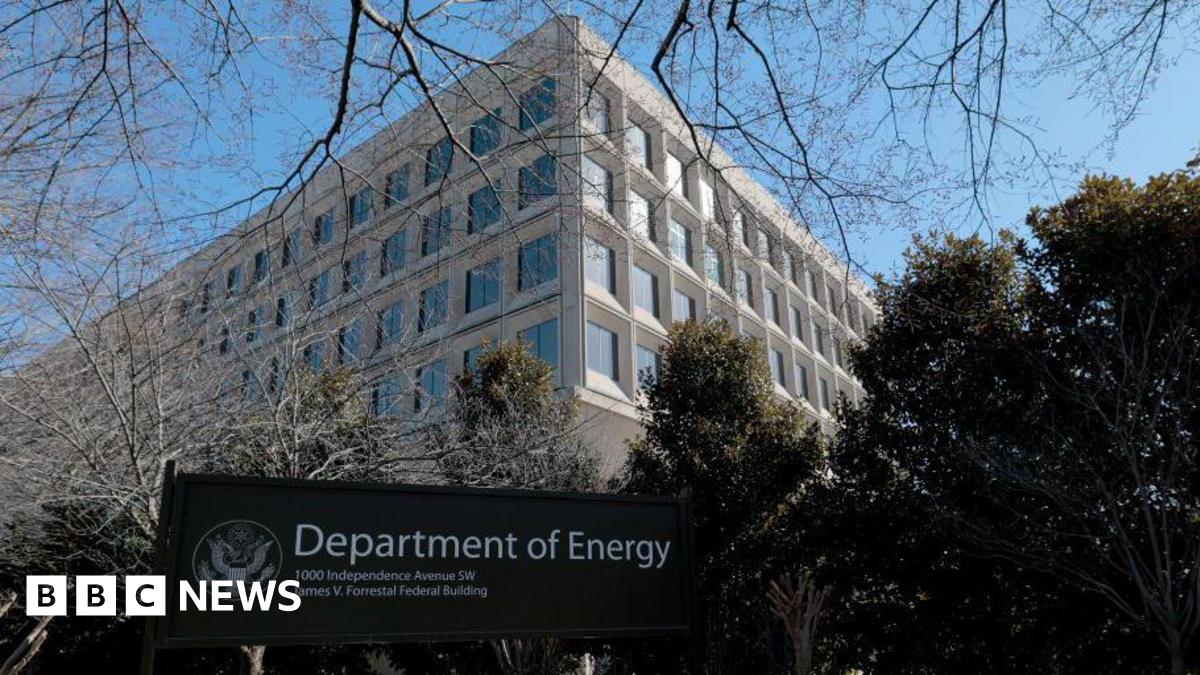
Muak thinks he can just replace workers like toner cartridges - but the Amazon model of worker retention doesn't do so well when it comes to jobs that require intensive vetting and institutional knowledge.
Elon Musk seems to have retconned what happened at Twitter to be some brilliant success on his part. He fired two-thirds of the employees, including all those whose jobs he didn't understand or agree with irrespective of whether they were essential to the outcome he wanted. The system fell apart, and was restored only by undoing Musk's mistakes and bringing back the people he stupidly didn't realize he needed.
Now if your system can tolerate failure, that's not an indefensible way to work. In my business, when we're workshopping something, we'll often pare things back to the breaking point and then rebuild them. That's because we need to know (with evidence) where that breaking point lies and what the failure modes are, so that we can then rationally build out a proper operational margin. Then with that process and knowledge in place, we'll put it into production and monitor it continually to test the assumptions.
To blow up something that's in production and rebuild it while its dependents stand there and wait is irresponsible. If you have a dentist appointment and you show up to find the office in shambles because the dentist decided he wanted to fire everyone, rip out all the equipment, and build it back up to a minimally sustainable form, you might be tempted to applaud the dentist's commitment to efficiency and you might be forced to face the evidence of newfound efficiency measured days or weeks hence. But that doesn't change the fact that you aren't going to get your teeth fixed that day, and that by a very tangible metric your dentist has failed miserably at his primary task.
The problem with the Twitter story is that Musk has swept all that former chaos under the rug. It didn't happen. In Musk's mind, he came in and fixed a bloated and inefficient system, and he's brilliant for having done so. And now he wants to do the same thing with the federal government (which has a low tolerance for systemic failure). The difference here, however, could be that Musk's goal is to break the federal government in a way that's not easily seen as breakage, and make way for Project 2525 goons.
Perhaps because he's never had to deal with the consequences of losing a valued employee. The people he interacts with directly are like himself, B-Ark passenger, easily replaceable with another MBA or vulture capitalist. When he sacks competent people en-masse it's people much lower on the organisation chart who have to pick up the pieces.
And as I've mentioned before, the companies Elon Musk nominally leads have groups of ablative-layer employees whose job is to keep Musk busy with triviality or irrelevancy in order to keep him from meddling too directly in the important operations of the company. They are his "liaisons" to the company. Musk already admitted that he doesn't connect with the day-to-day operations of any of his companies and relies on other people to actually run them. They need him as the semi-deluded figurehead because it brings them money and attention. But they don't actually want him running things, and when he tries to, the evidence inevitably reveals that he messes them up.


www.huffpost.com