
jaydeehess
Penultimate Amazing

The perimeter columns did bow inward. The mechanism that could cause this and is supported by FEA is a downward displacement of the core.
A slow downward displacement of the core over the time it took to bend the columns inwards I suppose.
Then again ergo would have a problem with this of course.
Since it matters not what causes the trusses to pull on the perimeter he questions that the truss to column connection would survive it.
Originally Posted by ergo
Does that thread answer anywhere the question of how the truss-to-column connections can be so robust that the floor trusses, while sagging something like 40" (a feat in itself, without breaking) can pull in 14" steel box columns, causing them to break, but simultaneously be so flimsy as to then be unable to prevent rapid progressive floor collapse? Just curious.
How great a downward core movement was that again? Did it happen to be noticable at the roof level, the antenna for instance? I would think it would have to since we have according to you, both a perimeter bowing thus a shortening of the perimeter height, as well as a core shortening and since there is nothing else holding the roof up it all must have been moving downwards over this time period. Did it?


 ) has put forward a prima facie hypothesis for that either.
 ;
;

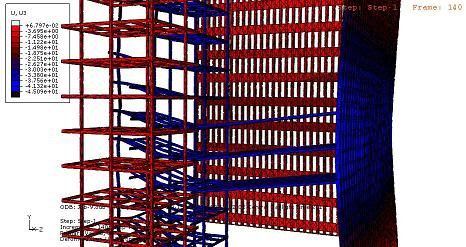
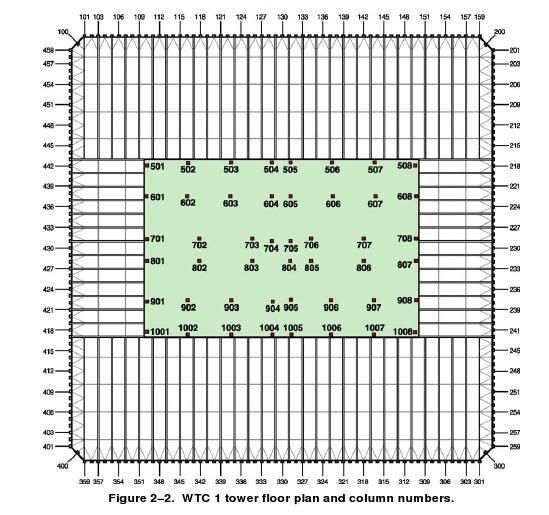
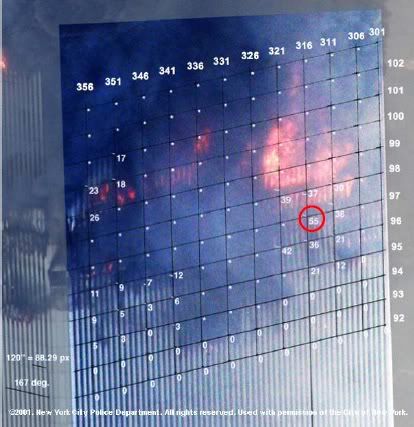

 )
)
