
Rare Truth
Graduate Poster

- Joined
- Oct 12, 2010
- Messages
- 1,612
Historians have concluded he was. The people who were there too - "real Confederates, and real klansmen, had no doubt whatsoever that Forrest was one of them."I'm beginning to believe what I said originally when I questioned if you could read. Please tell everyone what Nathan Bedford Forrest II or III has to do with whether or not the original Nathan Bedford Forest who's statue is in Memphis was the originator or even a member of the KKK?
Me thinks you are too quick to condemn someone before you know what you're talking about. Rare Truth indeed!
Also, too:
Nathan Bedford Forrest Joins the Klan
<snip>
"Rose’ account not only made clear Forrest’s role in the Klan, but defended that organization’s reputation on the basis of his involvement, and credits to him what she sees as the group’s success:
His high standing as a Confederate officer, his devotion to his country, his noble principles and sacred honor pledged to protect the South, puts at naught forever any false statements as to the purposes of the Klan, and challenges any stigma or misrepresentations as to the character of its members, for they were in the main Confederate soldiers, and Forrest was its great leader, and under his leadership and with the loyalty of the members, the Mission of the Ku Klux Klan, or Invisible Empire, was successfully accomplished.[8]
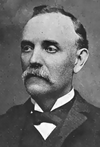
The younger generation will never fully realize the risk we ran, and the sacrifices we made to free our beloved Southland from the hated rule of the “Carpetbagger,” the worse negro [sic.] and the home Yankee. Thank God, our work was rewarded by complete success. After the order grew to large numbers, we found it was necessary to have someone of large experience to command. We chose General N. B. Forrest, who had joined our number. He was made a member and took the oath in the Room No. 10 of the Maxwell House at Nashville, Tennessee, in the fall of 1866, nearly a year after we organized at Pulaski. The oath was administered to him by Captain John W. Morton, afterwards Secretary of State, Nashville, Tennessee.[9]


