Ape of Good Hope
Graduate Poster
- Joined
- Sep 20, 2011
- Messages
- 1,502
Nice try there, no cigar. Not biting - stop trying to move the goalposts and try focusing on the issue at hand.
Your entire argument is an attempt to move the goalposts
Nice try there, no cigar. Not biting - stop trying to move the goalposts and try focusing on the issue at hand.
Broken record. This is about the veracity of NISTs report, not providing an alternative. Their report is in error, they have admitted as much. You just don't like that reality, but of your inability to address it does not change it..Your entire argument is an attempt to move the goalposts![]()
The "gameplan" was to prove that NIST made serious errors and omissions. Game over -they admitted it. Now they need to produce an analysis that accurately represents the connection.
Did NIST omit the stiffeners? Admitted
Did NIST confuse 11" with 12"? Admitted
Have NIST dealt with the consequences of these admitted errors and omissions? NO
And neither have you.
The same details that NIST were compelled to half address with an erratum statement?No they don't.
And the gameplan, as we all know, is to focus on unimportant micro-details in a futile attempt to drum up interest in a moribund movement.
Do they have to? NO
Because it does not change the conclusions. And you have not proven that it does. Prove that, and then you have standing to claim "NIST must fix it."
The same details that NIST were compelled to half address with an erratum statement?
They need to deal with the consequences of their admissions.
Do you not think that NIST should account for the elements that are present in the drawings in their analysis?
So it is ok with you not to account for present elements in an FEA.No they don't.
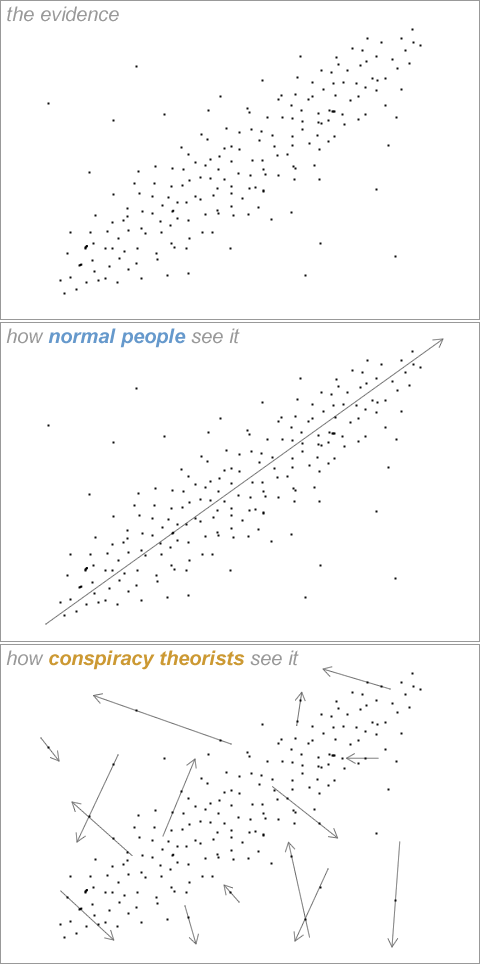
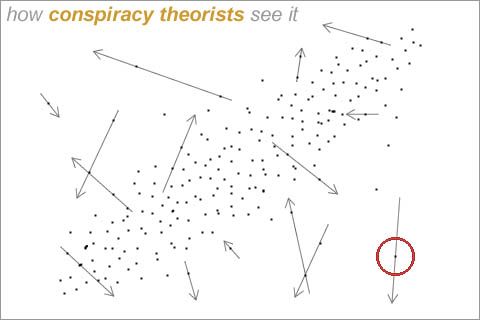
You need to deal with this:
[qimg]http://i1049.photobucket.com/albums/s394/jrefpicciesinnit/the-evidence-v2_zps834af7e0.gif[/qimg]
No they don't.
And the gameplan, as we all know, is to focus on unimportant micro-details in a futile attempt to drum up interest in a moribund movement.
No, I don't. Because unlike you, I have experience in computational modeling and the purpose of simplifying assumptions. I know why NIST omitted some elements (and included some others; you don't seem nearly as concerned about that, I wonder why?), and I also understand that they don't matter a hill o' beans to the final conclusion.
So it is ok with you not to account for present elements in an FEA.
Nice pics though, thanks for that. Very detailed work on your part.
No, I don't. Because unlike you, I have experience in computational modeling and the purpose of simplifying assumptions. I know why NIST omitted some elements (and included some others; you don't seem nearly as concerned about that, I wonder why?), and I also understand that they don't matter a hill o' beans to the final conclusion.
So are NIST lying when they say that they omitted the stiffeners?The problem is you are not sticking to gerrycan's game plan....."just stick to "they got the report wrong, missed out elements and made errors and should redo their analysis" - there is no defense. The issue is there in black and white and is undeniable. The only response that opposers can resort to is to try and move onto the aforementioned points that I have chosen for now, to steer clear of, and that fact alone indicates where the WTC7 report weak point really is".
What he fails to comprehend is they did not get the report wrong nor should they redo their analysis....hence the hamster on a wheel effect.![]()
So you are comfortable enough with NISTs conclusions to agree that this girder would fail if pushed 6.25" ?
It wouldn't. NIST say it would. You "don't know" yet you defend it.I don't know if the girder would fail if pushed 6.25".
I will wait for you to edit this.What I do know is that if you set a steel building on fire and a bunch of floors bracing a long column collapse, that fire-weakened and unbraced column will buckle and cause the building to start falling down. And that is the whole point of the NIST report, which seems to have passed you by completely in the rush to NIST-pick your way into proving the "official story" wrong.
It wouldn't. NIST say it would. You "don't know" yet you defend it.
I will wait for you to edit this.
Let's keep in mind that you "don't know"I don't know if the girder would fail if pushed 6.25".
This alleged floor collapse being caused by an event that you "don't know" about.What I do know is that if you set a steel building on fire and a bunch of floors bracing a long column collapse, that fire-weakened and unbraced column will buckle and cause the building to start falling down.
I am fully aware of the stiffener plates you are obsessed with. However in the fea the seat itself was treated as infinitely stiff, incapable of failing. Its a point that has been raised before. So your new fea would treat the seat in a more realistic fashion I must assume.The stiffener plates are above the bottom flange of the girder. You are not even talking about the correct element.
The CTBUH asked the question re the plates while the report was out for public comment and well before the structural drawings were made public. So you are totally wrong.