Ernie M
Graduate Poster

ON BEING A BYSTANDER: Helpless to stop a police killing
Helpless
Bystanders witnessed George Floyd slowly die because they were helpless to stop then-Minneapolis police from using excessive force. The police–authority figures–controlled what happened and what didn't–by the assumed power of who they were, and the 'mace,' handcuffs, and guns, they carried.
Bystanders spoke out against Floyd's mistreatment, but their pleadings went unheeded. If they physically intervened, they could face arrest, injury, death, and/or criminal charges. Someone trying to help ensure George Floyd's rights, could be harmed.
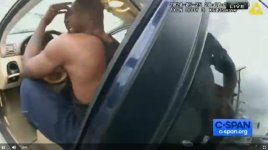
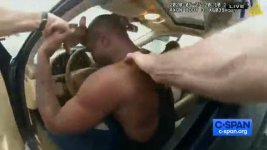
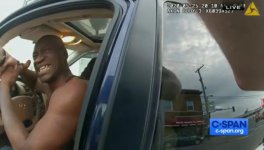
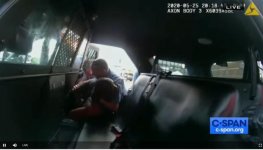
Former Minneapolis police officer Derek Chauvin pressed a knee to George Floyd's neck for an excessively long time, and three other (former) Minneapolis police officers on the scene, Tou Thao, Thomas Lane, and J. Alexander Kueng, failed their duty to intervene.
Bystanders got the sense that the police were killing George Floyd, but because the police controlled the situation, the bystanders were helpless to stop the abuse.
Bystanders included:
Note: Jena Scurry wasn't a bystander on scene, but was 911 Dispatcher.
Minneapolis 911 Dispatcher, the woman who dispatched police to Cup Foods after getting a call about a man with a counterfeit bill, Jena Scurry, called a supervisor and, from testimony during Prosecutor Jerry Blackwell's opening statement, "she did something that she had never done in her career: She called the police on the police."
Witness, Donald Wynn Williams II, a mixed martial arts fighter, called out Chauvin as using a "blood choke," on Floyd, applying pressure to the side of Floyd's neck which would cutoff blood flowing to Floyd's head. Williams stated Chauvin adjusted his position as to increase and maintain pressure on Floyd's neck.
Genevieve Hansen, a Minneapolis firefighter and trained EMT, told police to check George for a pulse. Hansen is a first responder and police didn't accept her professional help to check on Floyd.
Alisha Oyler, a Speedway station employee, recorded brief videos because police are "always messing with people ... and it's not right."
Witness Darnella Frazier, then 17 years-old high school student, recorded the long video. During the second day of the trial, Tuesday, March 30, 2021, (now) 18-year-old Darnella Frazier said, "When I look at George Floyd, I look at my dad. I look at my brothers. I look at my cousins, my uncles," "They are all black. I have a black father, I have a black brother, I have black friends." "I look at that and I look at how that could have been one of them.
"It has been nights I stayed up apologizing and apologizing to George Floyd for not doing more and not physically interacting and not saving his life."
Note this important distinction:
"Its not what I should have done, it’s what he should have done," Frazier concluded. "he" was likely what then-officer Chauvin should have done.
Trauma from being helpless
The bystanders and 911 Dispatcher were helpless to stop the power, the authority, the system, of the police, from killing George Floyd.
I wonder how being helpless affects the bystanders. Guilt and shame. They tried but couldn't save George Floyd. Bystanders likely experienced learned helplessness from that broken police system.
My thoughts and condolences to George Floyd's family, the helpless bystanders and 911 Dispatcher, and everyone affected by the circumstances surrounding George Floyd's unjust death.
Ernie Marsh
Last edited: