
Molten is when something starts to loose its shape under force of gravity. That lightweight steel framework you posted was technically molten when it bent like that.
Molten barn:



Molten is when something starts to loose its shape under force of gravity. That lightweight steel framework you posted was technically molten when it bent like that.

Molten barn:
[qimg]http://www.internationalskeptics.com/forums/imagehosting/130124f3be5954124f.jpg[/qimg]

Melted my barn with thermite! Or was it the Judy Wood Insane Beam of Doom? Melted wood.
Thus, a rock melted the steel in my car when I ran over it. It also set off the air bags. Did the rock use thermite?Great. I consider doing a short personal video where I "melt" steel with my arse. No, not by farting extremly hot gasses. Simply by sitting on it and letting gravity do the rest.
Do I have to?
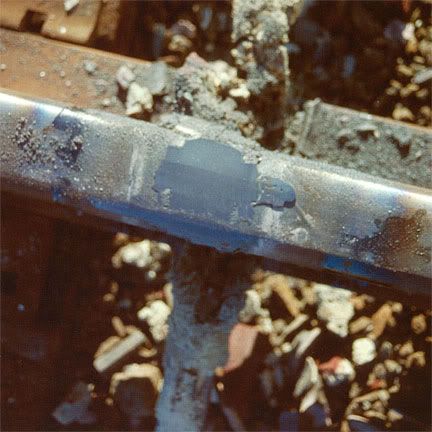

Really I never knew that. I wish they'd taught me that when I was doing my degree in metallurgy. Perhaps they should have made me learn this diagram.Steel does not go from solid to liquid instantly.
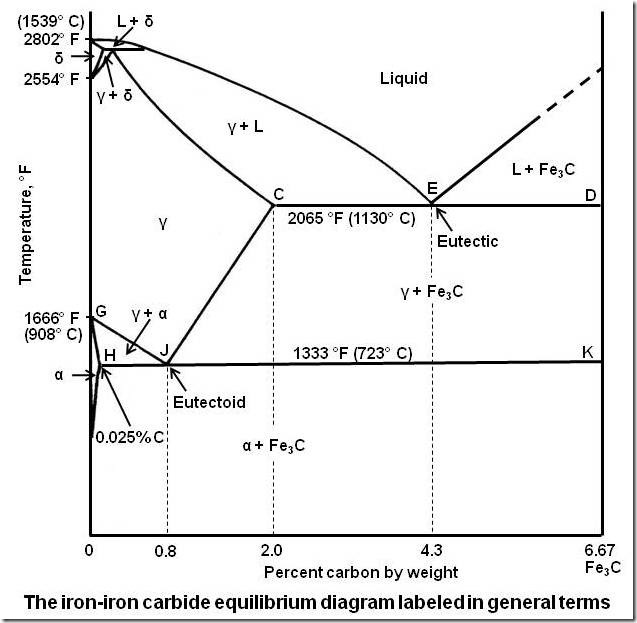
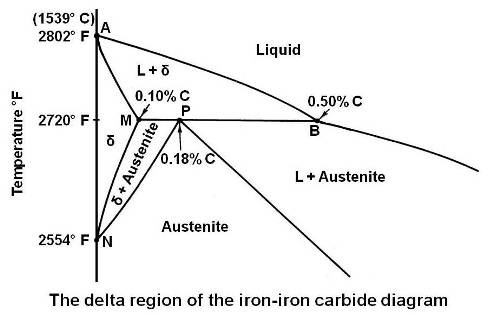
So perhaps you can teach Ergo the error of his ways and show him that the material has not melted.First it looses its shape. This is called slumping and that is what we see in the photo, not compression.

Chris7,It is a given that the elevator shafts were open on the floors where the planes hit but we are talking about the chimney effect noted in the letter. The elevator shafts above the floors where the planes hit were not breached. There was nowhere for the smoke and fire to exit so could be no chimney effect.
You failed to figure out the obvious. The smoke and fire went up thru the air ducts which open on every floor.
No it's not.Great photos. What is the source of those photos? What kind of building and what was in it?
Molten is when something starts to loose its shape under force of gravity. That lightweight steel framework you posted was technically molten when it bent like that.
http://dictionary.reference.com/browse/moltenmolten
[mohl-tn] Example Sentences Origin
mol·ten
[mohl-tn] Show IPA
verb
1.
a past participle of melt.
adjective
2.
liquefied by heat; in a state of fusion; melted: molten lead.
3.
produced by melting and casting: a molten image.
Molten is when something starts to loose its shape under force of gravity. That lightweight steel framework you posted was technically molten when it bent like that.

You have just proven that the use of the word molten is misunderstood. Therefore you cannot use eye-witnesses who claim "molten steel" are actually seeing liquid steel because they are most likely doing exactly what you have done and misatribute the word.
... office fire, produces molten steel. That debunks your thermite claims.Great photos. What is the source of those photos? What kind of building and what was in it?
Molten is when something starts to loose its shape under force of gravity. That lightweight steel framework you posted was technically molten when it bent like that.

Dave,
Apparently, Ron did not speak to Rich Lee. He got a response from Stephen Kennedy.
Since Ron can't post here would you ask him to give you the communication that led to this response.

You don't even have to think about passengers and their need to breathe.Chris7,
A question from an English major here: Were the elevator shafts airtight? I don't want to plow through the whole NIST Report yet again but I don't believe they were. It would seem that since tens of thousands of people rode those elevators daily, they'd have to be ventilated somehow.
Chimney effect is just a form a strong, directed convection. it happens when hot air is allowed to rise some vertical among cooler air. You can have a chimney effect in a closed system. I believe the George Foreman cooking thingy uses the chimney effect in a closed system.Does anyone have a clear idea what Rich Lee was talking about with the chimney effect? And BTW I'll tell everyone right now I have no idea if I am right or wrong here.
Molten is when something starts to loose its shape under force of gravity. .

C7 said:Dave,
Apparently, Ron did not speak to Rich Lee. He got a response from Stephen Kennedy.
Since Ron can't post here would you ask him to give you the communication that led to this response.
I asked for the communication that led to the response but you sidestepped that. How did Ron get Stephen's contact info? Are they friends?So, you're not satisfied with R.J. Lee's answer to Wieck's question, and now you want to go after the question itself.
Molten is when something starts to loose its shape under force of gravity. That lightweight steel framework you posted was technically molten when it bent like that.
C7 said:It is a given that the elevator shafts were open on the floors where the planes hit but we are talking about the chimney effect noted in the letter. The elevator shafts above the floors where the planes hit were not breached. There was nowhere for the smoke and fire to exit so could be no chimney effect.
You failed to figure out the obvious. The smoke and fire went up thru the air ducts which open on every floor.
They were hermetically sealed. I don't have the quotes handy but there were dampers that worked automatically to cut off the shafts in case of fire. I don't know exactly how they worked but the designers took precautions to prevent the elevator shafts from becoming chimneys.Chris7,
A question from an English major here: Were the elevator shafts airtight?
The air would be refreshed every time the doors opened.they'd have to be ventilated somehow.
The letter said hurricane force winds. A chimney takes air in at the bottom and expels it at the top so the inference is that air was taken in well below the impact zone and fed the fires thru the breach in the elevator shafts on the impact floors.Does anyone have a clear idea what Rich Lee was talking about with the chimney effect?
I asked for the communication that led to the response but you sidestepped that. How did Ron get Stephen's contact info? Are they friends?
I am not satisfied that the letter was written by RJ Lee. Stephen Kennedy said that he and Rich would be available to talk. Did Ron speak to RJ Lee when he had the chance?
Wow, it is? ... the elevators are ventilated, you have not looked up anything. All your knowledge is made up, opinions. Source your claims....
The air would be refreshed every time the doors opened.
...

They were hermetically sealed. I don't have the quotes handy


