• Security incident: ISF was recently accessed by intruders. Please change your password, and change it anywhere else you used it. Read more

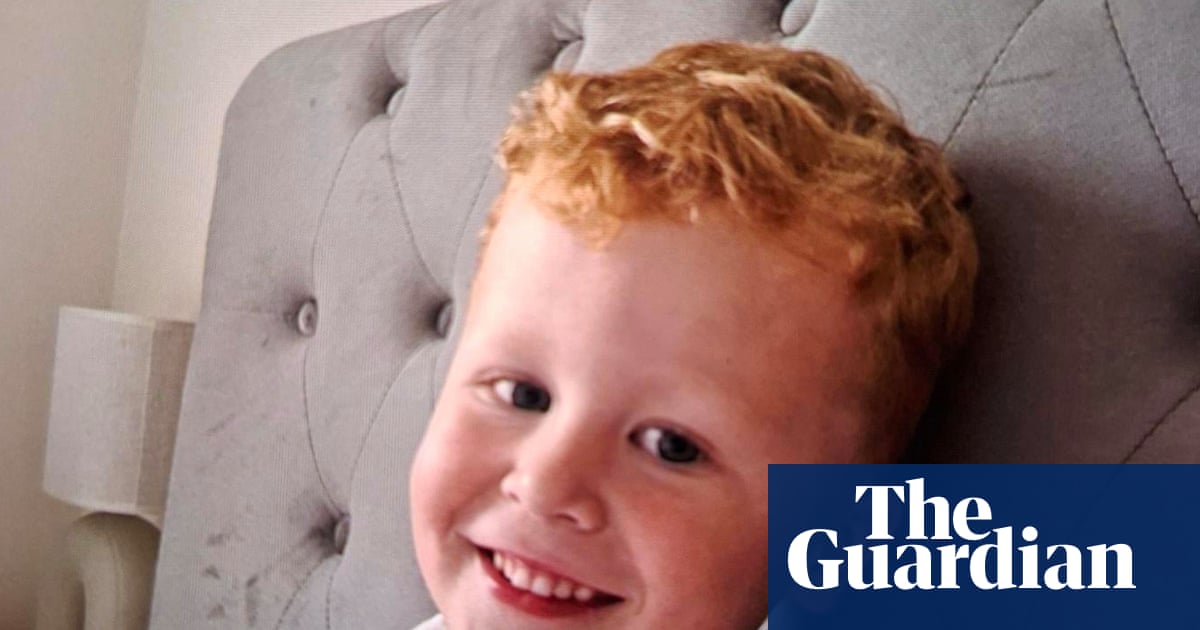
Frantic search for missing three-year-old boy, Noah, in Brantham, Suffolk

Agreed. In my ICT consultancy days I once showed some people how to lock down records access. They were quite surprised how granular access control could be implemented.

My service was a pilot area for the computerised record system we used: we all were told about how access could be controlled, which then went on into the training everyone else got on the system, as our experiences were actually listened to (there's a first, even only, time for everything). Some folk clearly did not pay attention at several stages...
 
It's hard to say definitively because the data changes so fast, but since this story broke, about 21,000 children in the US have been reported missing. Very roughly, 6,000-7,000 remain missing, and very roughly, 1,500 -2,000 of them are around Noah's age.
 
I'll put this here, as it's related...


Right...This is an issue which has arisen any number of times in any number of trusts, not just the ones mentioned; it's a by-product of computerised records, which obviously can be accessed remotely, unlike paper files.

However, everyone, but everyone, in any given trust will have to have undertaken annual training in information governance, which covers data protection, confidentiality and all. There will be trust policies and guidelines on confidentiality and accessing of patient notes. Everyone from a clinical background will have professional requirements covering these areas.

WTAF are folk playing at accessing notes they have no clinical reason to access?

Every access of notes can be traced (certainly in the systems I used) back to an individual user account: do folk not know this?

Notes deemed sensitive for whatever reason (I came across those belonging to staff members or families of staff members, high profile patients - think Raoul Moat - and such like being defined as sensitive) can be locked and access allowed only to certain relevant clinicians, who will have special access arrangements and that access will be closely monitored.

How the ◊◊◊◊◊◊◊ ◊◊◊◊ do these idiots not know this?

And why the ◊◊◊◊◊◊◊ ◊◊◊◊ do they think they have any sort of right to access notes of anyone other than one of their own patients?

And, aside from ward admin staff, why would anyone not a clinician think they have any class of access to clinical information?

Oh, and Jim Mackey can just ◊◊◊◊ off on general principle, as he's a twat.

It seems to have happened again.
 
It seems to have happened again.

Yeah, I saw that...

It does raise some serious questions about IGT training across the NHS, which was, when either of us were still in work one of the annual statutory and mandatory training topics.

Potential snag was it was done online and was a distinctly ticky boxy affair, which is far from ideal, but at least it should be happening.
It happens in any business that keeps customer information. There is no way people don't know it is illegal (never mind against company policies).
 
They must surely know they'll get caught. A sibling who worked in the Home Office with the central criminal records said no way could anyone just randomly look people up without authority or being identified (I wasn't told the exact safeguards but there are 'Chinese Walls' set up).
 

ISF - Join now!

Every member here is approved by hand. No bots, no spam, just people who care about evidence and honest debate.

Membership is free!

Create your free account

Back
Top Bottom