shemp
a flimsy character...perfidious and despised

And when they get refilled, they can get the windshield cleaned and the tires checked!


And when they get refilled, they can get the windshield cleaned and the tires checked!

 futurism.com
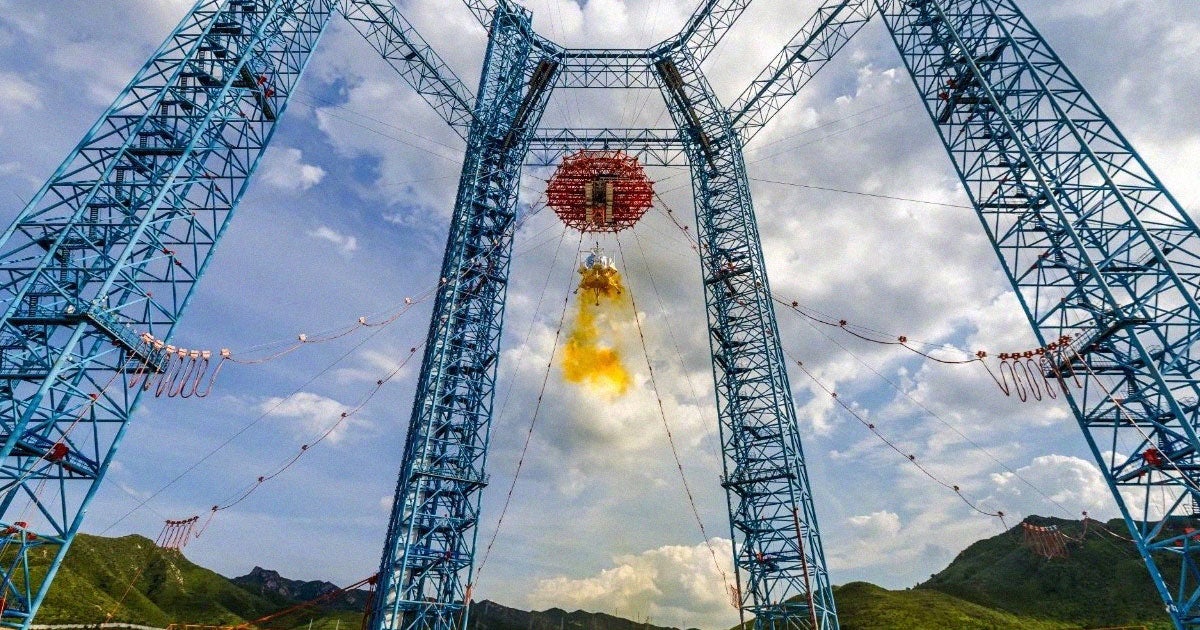
The chaos has raised serious questions about NASA's ambitious plans to return astronauts to the surface of the Moon for the first time in over half a century. The dates of its planned Artemis program launches keep slipping as contractors miss deadlines and struggle with substantial technical issues.
What do you think? Will the next people to set foot on the Moon be Americans or Chinese? At this rate, it's starting to look like the might get there before we do. "Mid-2027" is less than 2 years from now. If we're counting on Starship to be ready by then, and safe enough for human passengers, I just don't see it. Of course, I don't know if the Chinese will meet their goal either, but it seems possible that they will.The goal is to land the first Chinese astronauts on the Moon "before 2030" — a clear shot across the bow, considering NASA is currently hoping to launch its first crewed landing attempt, Artemis 3, no earlier than mid-2027.
But considering the way things are going, that date could end up slipping once more. And one of its most prominent contractors is to blame: SpaceX's Starship is encountering major headwinds, with the company still far from proving that its enormous reusable spacecraft is a reliable way to ferry crews from lunar orbit down to the surface in its Human Landing System configuration, as laid out in NASA's current plans for Artemis 3.
In other words, the US's head start on landing humans on the Moon is shrinking rapidly.
"At the rate things are going, sadly, it seems quite likely that the Chinese will land on the Moon before NASA can return to the Moon," Chinese space policy analyst Dean Cheng told Ars Technica, arguing that the "geopolitical impact" would be "enormous."

I think the Chinese are determined and will be the next to land people on the moon.What do you think? Will the next people to set foot on the Moon be Americans or Chinese?

But did they......I think the Chinese are determined and will be the next to land people on the moon.
But, the Chinese are basically planning a site-seeing trip compared to the US goal of creating a colony. So, it's not a fair comparison. And, the US, of course,
will always be the first to have sent people to the moon.


Stanley Kubrick is dead. It will remain a secret forever.But did they......


They barely made enough trips to figure out even some of the most basic stuff. It's not that much of a setback, especially since there's been a lot of technical advances, so there's bound to be a lot of re-working and re-learning anyway.Whoever goes back to the moon will have to relearn how to do it. Everything they did in the 1960s they will have to learn again.

Grand FenwickThe first, and only, people to land on the moon were Turks.
The first people in that fair land were Turkish as well, ruled by Petros Sellersgullan.Grand Fenwick

You have learned well, padawan!The first, and only, people to land on the moon were Turks.
The moon is made of Kashar (Turkish cheese).Wallace and Gromit.

 www.nbcnews.com
It's full steam ahead for NASA — at least according to Sean Duffy, the agency's acting administrator.
During an internal employee town hall Thursday, Duffy warned of "letting safety be the enemy of progress" when it comes to winning the new space race, according to a recording of the meeting obtained by NBC News.
"We are safety-driven, and we should be safety-driven, and FAA and DOT, we’re the same, but sometimes we can let safety be the enemy of making progress," said Duffy, who also serves as transportation secretary.
"We have to be able to take some leaps. We have to be able to jump forward in our innovation and drive this mission, and there’s always a balance to that, but we can’t side on the side of doing nothing because we’re afraid of any risk," he told NASA employees alongside newly named NASA Associate Administrator Amit Kshatriya.
A spokesperson for NASA said the agency remains committed to safety.
Easy for him to say, I doubt he will be the one taking those risks...Interim NASA head tells agency that it will beat China back to the moon
Acting NASA Administrator Sean Duffy also told agency employees not to let "safety be the enemy of progress."

Whoever goes back to the moon will have to relearn how to do it. Everything they did in the 1960s they will have to learn again.
To expand upon this, we aren't going to have to re-learn much of anything, because we aren't going to do it the same way we did last time. Why would we? That would be foolish. We are learning to do it better this time, because the technology available is now better. It's not easy or fast to learn to do it better, but just repeating what we did before would be pointless. It's only worth going back if we can do it better. For example, if we didn't care about Starship being reusable, it would probably already be in service. But it's not yet, because reusability is the whole point.They barely made enough trips to figure out even some of the most basic stuff. It's not that much of a setback, especially since there's been a lot of technical advances, so there's bound to be a lot of re-working and re-learning anyway.