
I saw a headline (during a related search) about aviation biofuel produced from McDonalds biowaste.
Probably a fair reservoir of energy stored in that ◊◊◊◊.
Probably a fair reservoir of energy stored in that ◊◊◊◊.


If we're going to say ugly things for no reason, Australia produces over 24 million litres of that ◊◊◊◊ every year.I saw a headline (during a related search) about aviation biofuel produced from McDonalds biowaste.
Probably a fair reservoir of energy stored in that ◊◊◊◊.
Thanks for the stat, good to know!If we're going to say ugly things for no reason, Australia produces over 24 million litres of that ◊◊◊◊ every year.

You haven't read the book, have you?For starters in the last 10 years solar and wind power to generate electricity has become a lot more common. I know in parts of Australia most electricity is generated by a combination of the two.

I have not read the book. Did not know I had to do so.You haven't read the book, have you?
As someone who has read the book, one area of technology that may make significant strides is solar cell efficiency. I think recent lab experiments have found a way around the theoretical maximum conversion efficiency of ~30%, raising it to ~47%. How practical these new materials are to manufacture I don't know.
I find that other people who have read a book often find it more credible when those who are criticising the contents of that book have actually read it.I have not read the book. Did not know I had to do so.
Yes, the book actually talks about that and the trade-offs, though on this it is mainly focussed on the geography and population of the UK. However, there are sections that discuss topics relevant to this thread, such as why cars can become significantly more efficient (compared to ICE-powered vehicles) but planes cannot.Solar cell efficiency has improved over the years, as has cost per Joule created. Hence there are far more solar cells now than in the past. Makes even more sense in remote areas.
Likely true.But will they technically be “jets”?
I’m ready for them to be (erroneously) called eJets, but at the moment all the viable ones are eProps, or eScrews?
Possibly, maybe with a heavy tax on fossile fuels. Like I said, this is the one place they may be useful as far as I can tell. Otherwise its just a subsidy to farmers of various kinds.I don't think so. Not at 3 to 5 times the cost. Entire fleets of commercial aircraft are replaced with 5% gains in efficiency.

Which only results in travel costs skyrocketing. Close to impossible to get society to buy in. This will be one of the toughest sectors to replace fossil fuels.Likely true.
Possibly, maybe with a heavy tax on fossile fuels. Like I said, this is the one place they may be useful as far as I can tell. Otherwise its just a subsidy to farmers of various kinds.
I'm really not sure what you're trying to say.We have no trouble with the concept of fueling nuclear reactors with a form of fuel that's not used for most other purposes. Ditto ammunition.
In a sustainable energy economy with adequate electrical storage for usage balancing, liquid fuels will be synthesized (whether from crops or from other feedstocks) as a way to concentrate and store energy. If this process is inefficient, it will only be used where energy density is a key concern; e.g. long-range aircraft, non-nuclear warships, rockets, and backpacking stoves. Operating those will become significantly more expensive (by a factor of about the reciprocal of the fuel synthesis efficiency, all other things being equal) relative to e.g. electrically powered trains and efficient electric cars. But the economy will adjust. Some long range air travel might be an economic necessity in a global industrial society, but cheap air travel is not (unless you're employed in e.g. Las Vegas or Orlando, so make long-term plans accordingly).
I absolutely agree with this statement. Get the easy stuff and big stuff first then work on the rest. Biofuels, sure, keep duing research, maybe we find some cheap energy efficient process but in the mean time, its not the best way to reduce carbon.I'm really not sure what you're trying to say.
Everything is a function of its usefulness. Cost is an extremely important factor. If it is too expensive, it's usefulness decreases substantially. Fossil fuels for long range aviation especially over oceans, is not likely to be replaced by any technology I currently see in development. Electric aviation in 10 to 15 years might start replacing shorter flights. I'm a big believer in electric trains. Europe uses electric trains on trips that in the US would certainly be a short flight. And very little of it falls under the high speed train designation. (250kmph) Electric trains accelerate faster and are more dependable.
I have nothing against biofuels other than they usually require fossil fuels to create and they are exorbitant in cost. Land based agriculture to create fuel doesn't make sense. It robs Peter to pay Paul.
From my perspective, let's not worry about solving the aviation issue today. Instead let's eliminate fossil fuels, from passenger, truck and train traffic, then construction and heating. I can see that is possible and possibly affordable. In other words, concentrate on the steak, not the peas.
I'm really not sure what you're trying to say.
Everything is a function of its usefulness. Cost is an extremely important factor. If it is too expensive, it's usefulness decreases substantially. Fossil fuels for long range aviation especially over oceans, is not likely to be replaced by any technology I currently see in development. Electric aviation in 10 to 15 years might start replacing shorter flights. I'm a big believer in electric trains. Europe uses electric trains on trips that in the US would certainly be a short flight. And very little of it falls under the high speed train designation. (250kmph) Electric trains accelerate faster and are more dependable.
I have nothing against biofuels other than they usually require fossil fuels to create and they are exorbitant in cost. Land based agriculture to create fuel doesn't make sense. It robs Peter to pay Paul.
From my perspective, let's not worry about solving the aviation issue today. Instead let's eliminate fossil fuels, from passenger, truck and train traffic, then construction and heating. I can see that is possible and possibly affordable. In other words, concentrate on the steak, not the peas.
I'm describing a hypothetical (and reasonably likely IMHO) eventual future situation in which (as one characteristic) use of airline travel is greatly reduced compared to today, as one of the necessary conditions for it being sustainable. (Sure, switching to biofuels for aviation while trying to maintain current flight schedules would be impossible as well as disastrous, even in a hypothetical future with plenty of renewable electricity.)
I didn't claim or imply that cheap long-range passenger aviation will ever be replaced by something equally cheap and capable. When you're broke and your personal car is replaced by public transit buses (if you're lucky), that doesn't mean the bus line will be as fast or convenient or comfortable as your car was. It means you make do. Same if you're taking trains instead of airlines.
And just because I can imagine a sustainable stable future condition doesn't mean I can imagine any smooth peaceful path from status quo to there. My imagination has limits! The most likely "solution" to the "aviation issue" is that the airlines and passengers will just keep flying until something happens to cause severe aviation fuel shortages or some other disruption, by which time it will be too late to implement any immediate solution apart from getting by with a lot less aviation for some significant period if not permanently. Discussions in many different places, including here, have made it clear that no one is willing to give up any comfort or convenience until forced to. If there's one tank of gas left in a town, it'll be used to take the mayor's daughter to the prom in a limousine, not to keep the local ambulance running.
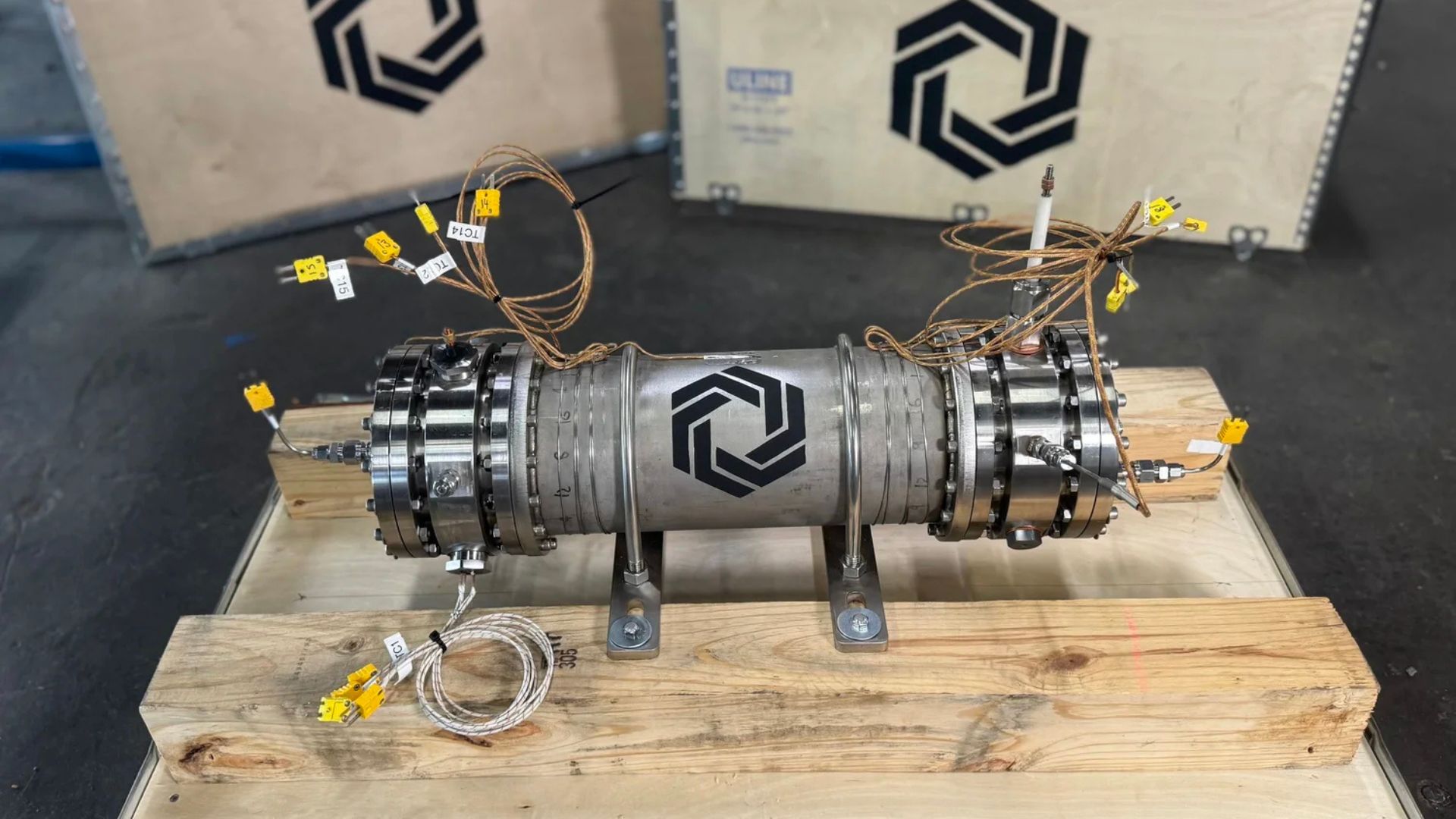
 interestingengineering.com

BullsheetHighly skeptical. But definitely interesting article about turning cow manure into biomass or aviation fuel. Says it is very affordable.
US reactor turns cow manure into jet fuel at fraction of normal cost
Over 20,000 large livestock farms in the U.S. produce nearly a trillion pounds of manure annually, but less than 6% capture the biogas from this waste.

I wonder how easy it is to take the manure from the ground and get it into the machine?Highly skeptical. But definitely interesting article about turning cow manure into biomass or aviation fuel. Says it is very affordable.
US reactor turns cow manure into jet fuel at fraction of normal cost
Over 20,000 large livestock farms in the U.S. produce nearly a trillion pounds of manure annually, but less than 6% capture the biogas from this waste.
Probably surprisingly easy. They already have mounds of cow poop around. I've been involved in couple of biogas projects, I not sure how they get all the poop in one place but it's there.I wonder how easy it is to take the manure from the ground and get it into the machine?
I wonder how easy it is to take the manure from the ground and get it into the machine?
The only reason I see this as a greater possibility is that this is a waste product of another industry. Biogas reactors for methane production is not new. Still, it all comes down to numbers. If it isn't cost competitive, it's a no starter.Probably surprisingly easy. They already have mounds of cow poop around. I've been involved in couple of biogas projects, I not sure how they get all the poop in one place but it's there.

The simple solution is to fly less.I don't think so. Not at 3 to 5 times the cost. Entire fleets of commercial aircraft are replaced with 5% gains in efficiency.
