I asked this question in last year's thread but I guess you missed it as I never saw an answer. When you hold a bird by the legs like that do they madly peck at your fingers, or flap their wings and you take a picture during the second of calm? Or do they actually remain calm?
I will answer this question more thoroughly now.
In short, as I said, it depends on the kind of bird, and even closely related species can be very different, so there's no telling how an unfamiliar bird will behave once in your hand. Some general rules can be established, however:
1. Ducks are generally complacent
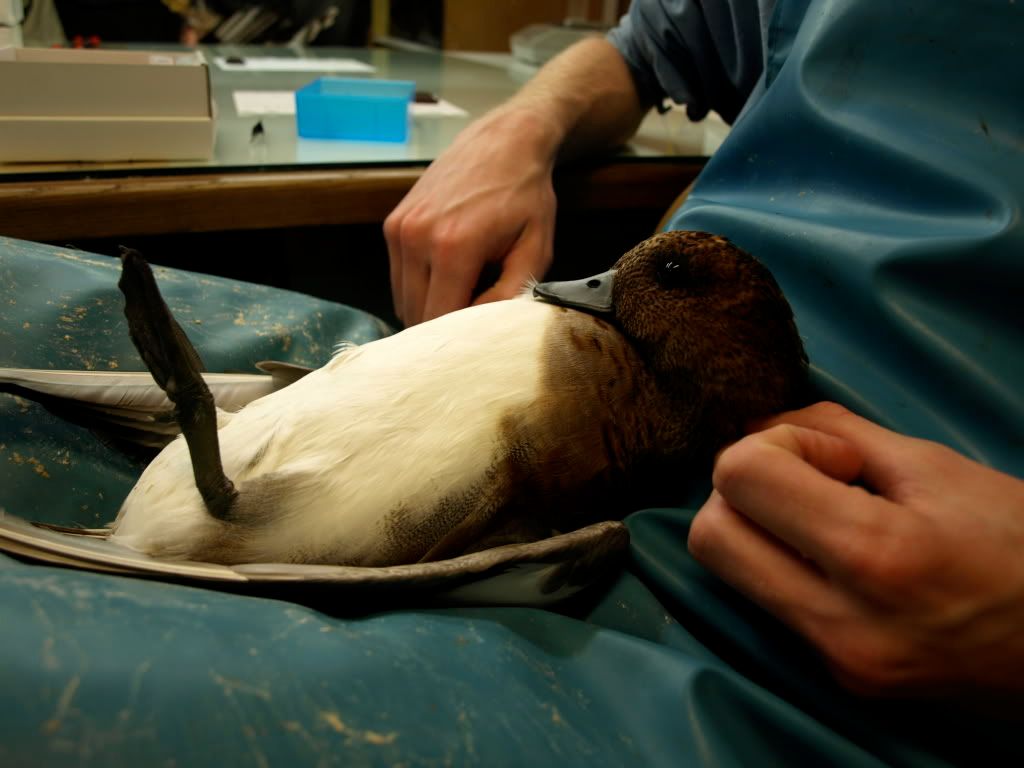
This Wigeon did not struggle more than kick a bit when I collected lice from it, and that's generally what ducks are like.
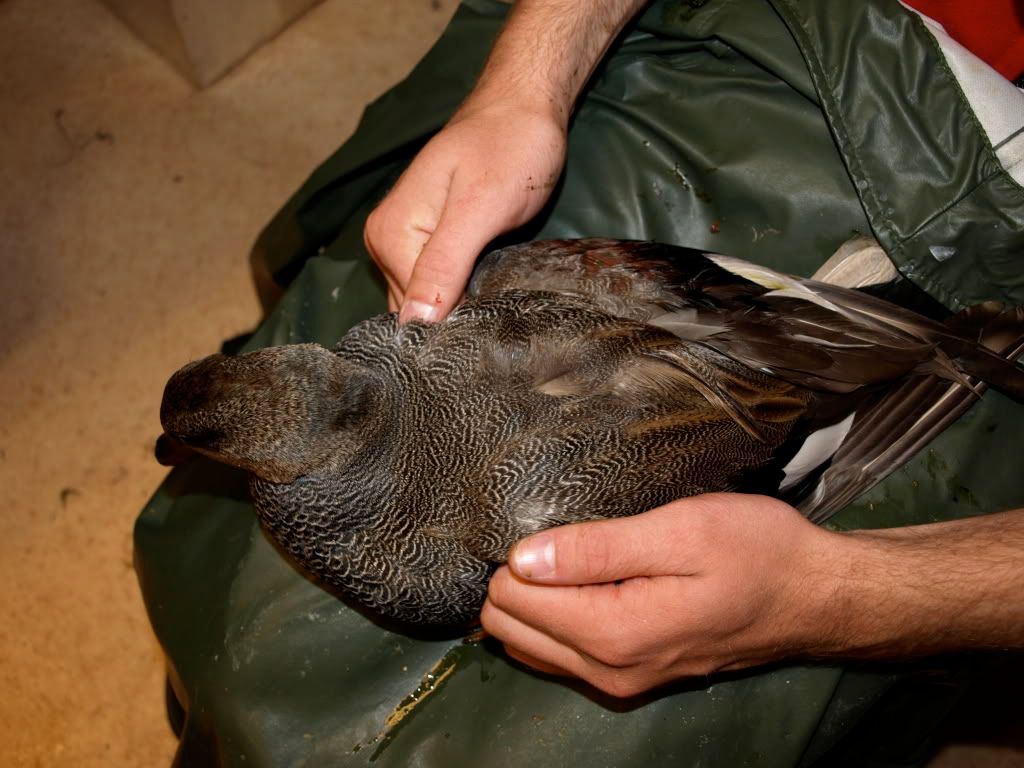
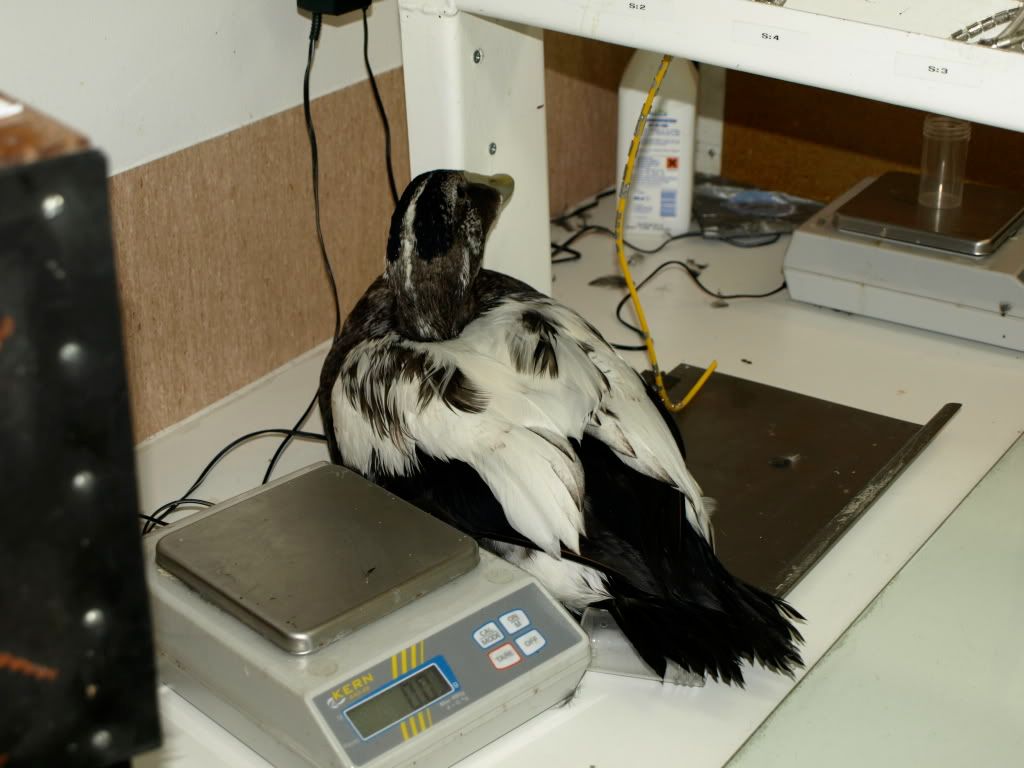
Here's a Gadwall, which was slightly more active, but not actually aggressive. As an extreme of this are some Eiders:
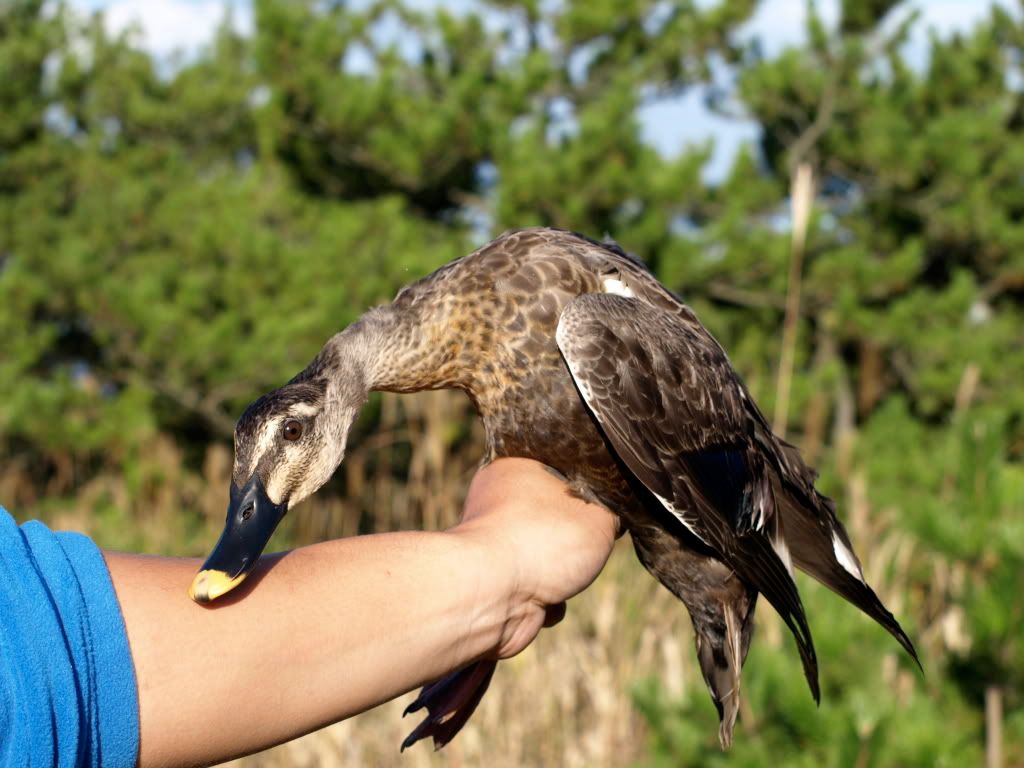
Notice that he is lying next to the scales where the bander placed him, without trying to run away. The same was true -- strangely -- of this Spot-billed Duck, despite the fact that we were banding in a tent:
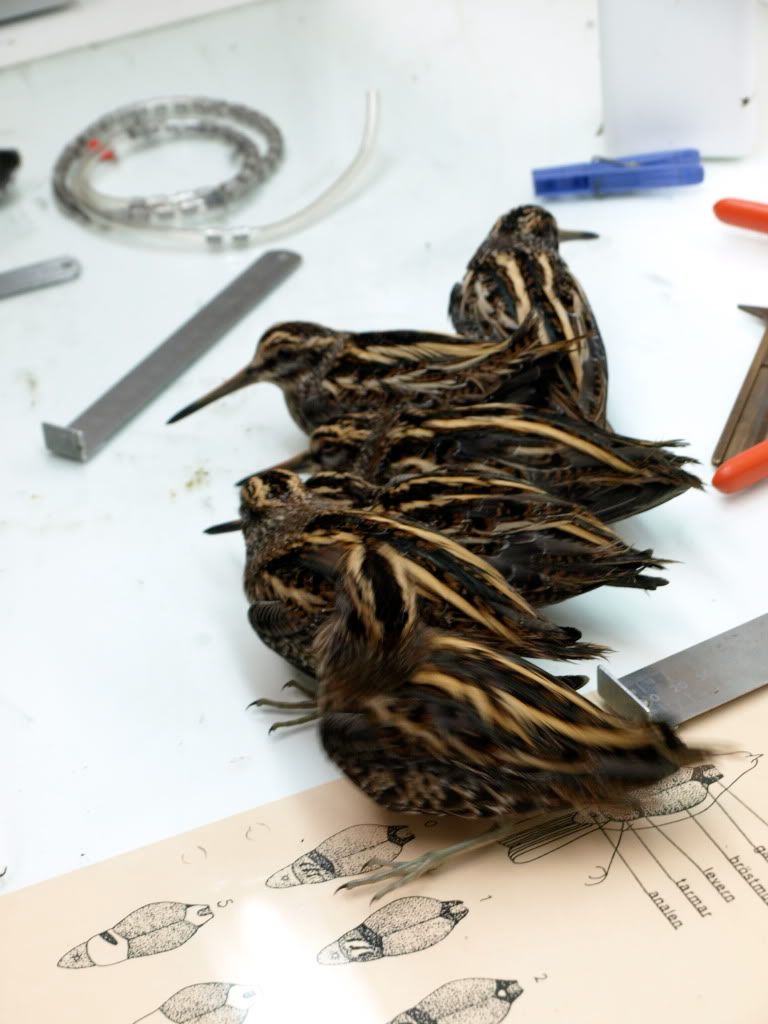
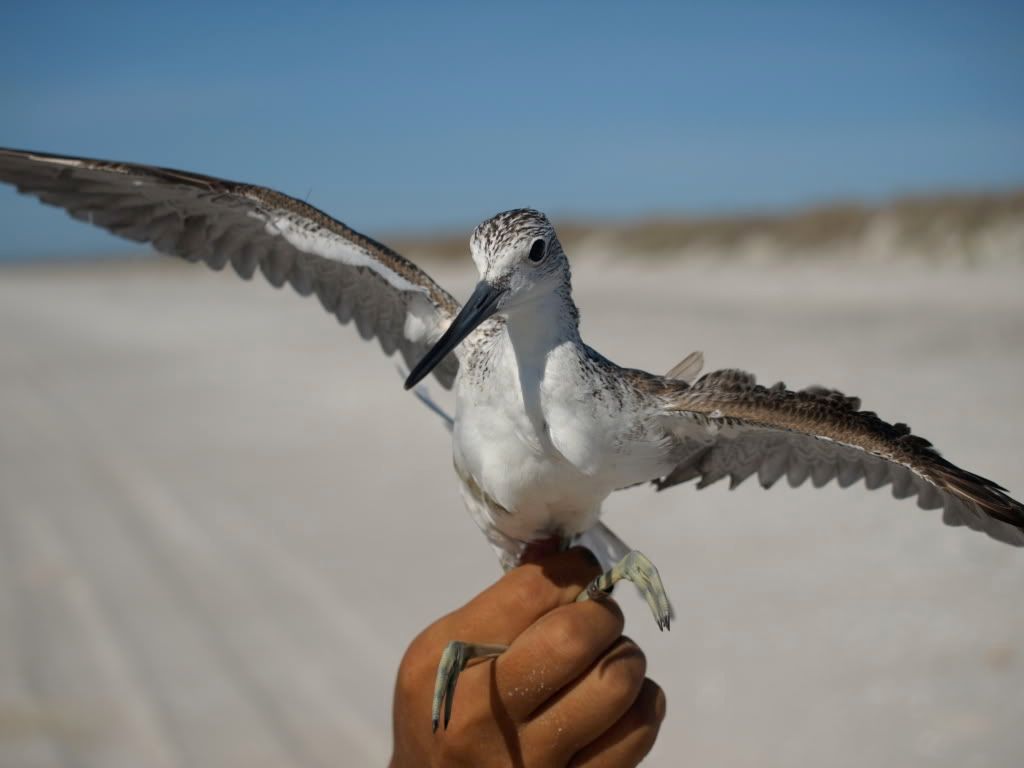
2. Shorebirds, apart from gulls an allies, are generally calm
This group includes the Scolopacidae, such as Jack Snipes:
Marsh Sandpiper:
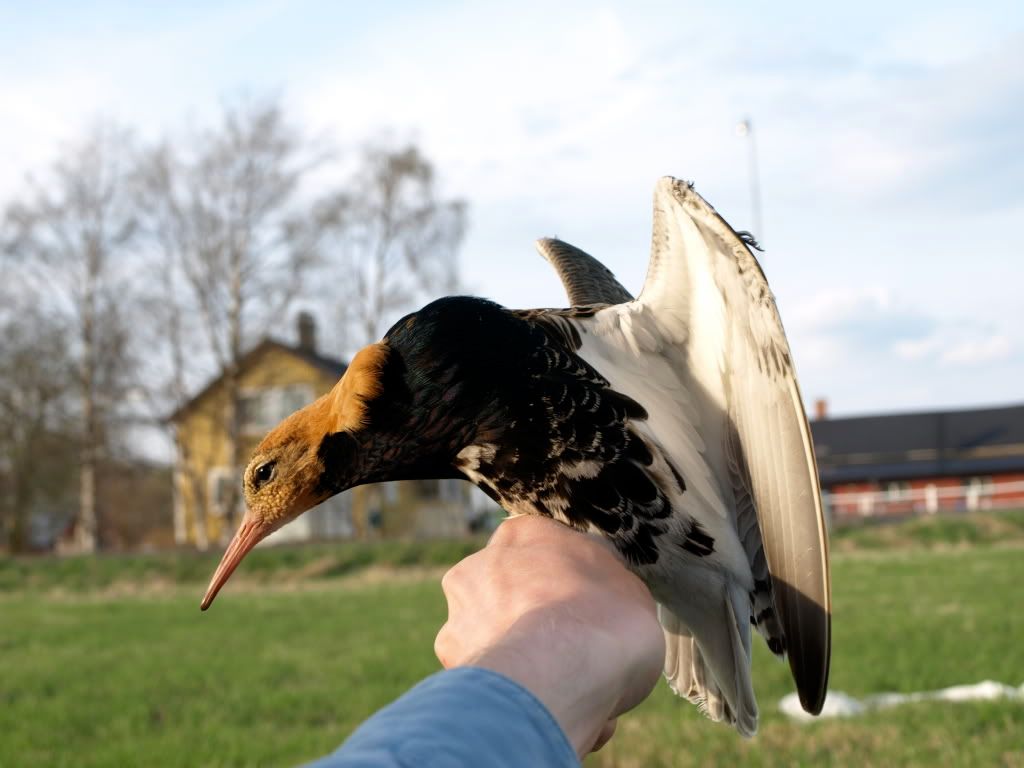
and Ruff:
Ruffs, in particular, usually seem to just collapse and look sad when you handle them. Common Sandpiper, Tattlers and Terek Sandpipers, however, kick and struggle a lot.
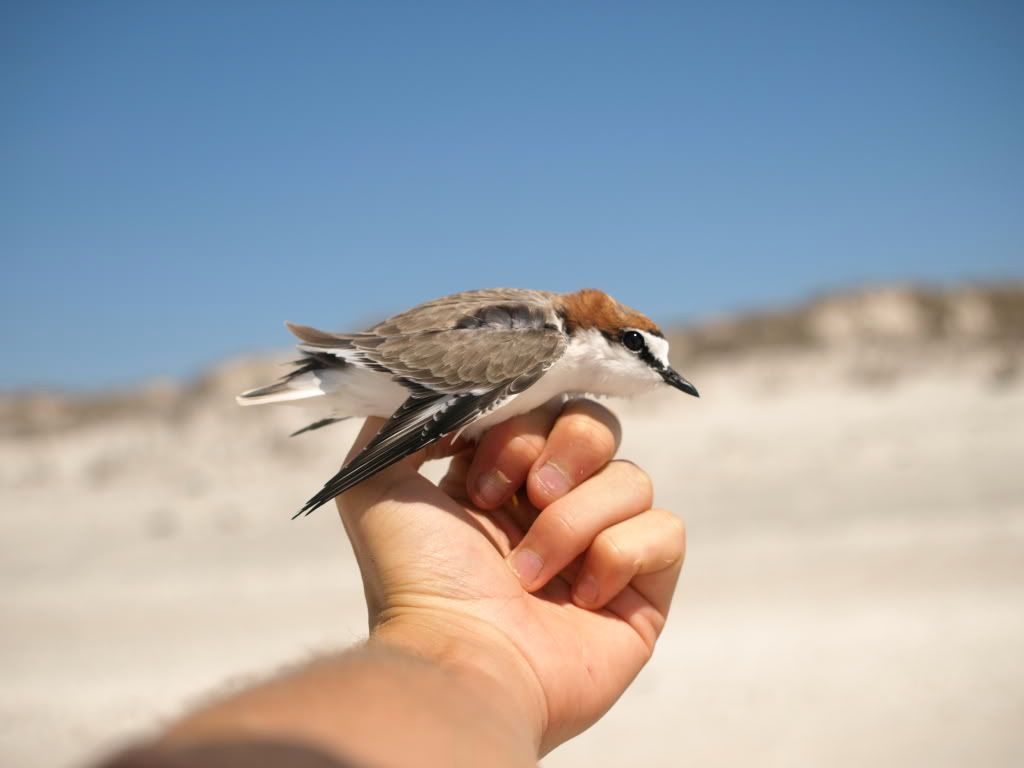
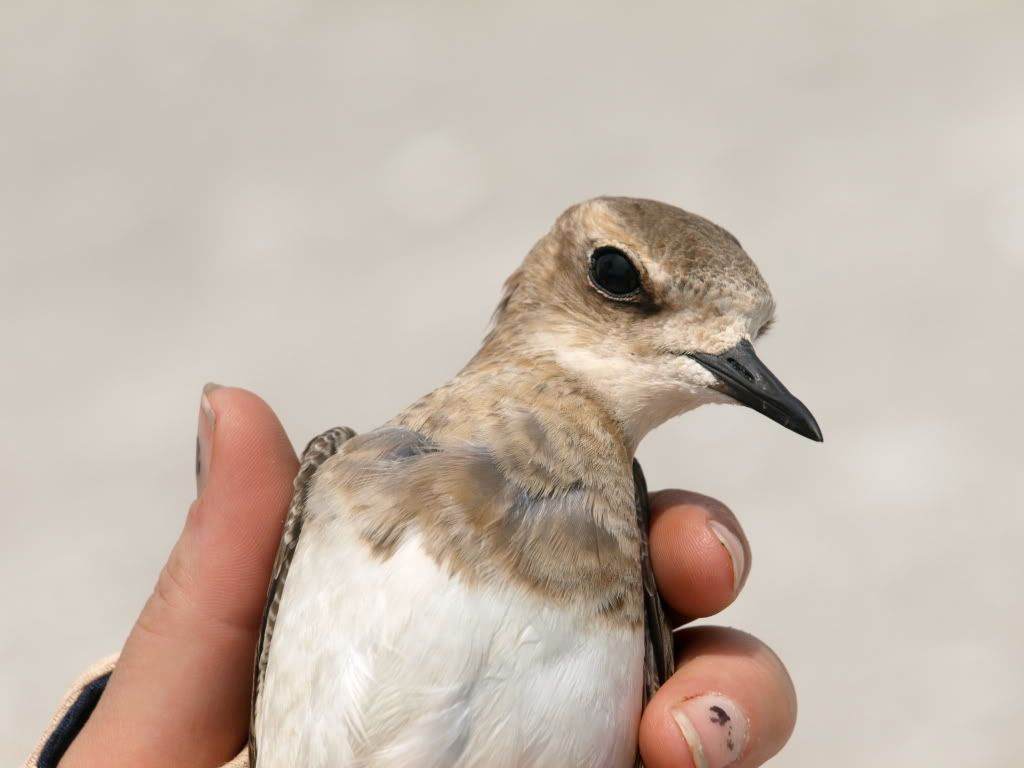
It also includes the Charadriidae, here Red-capped Plover:
and Oriental Plover:
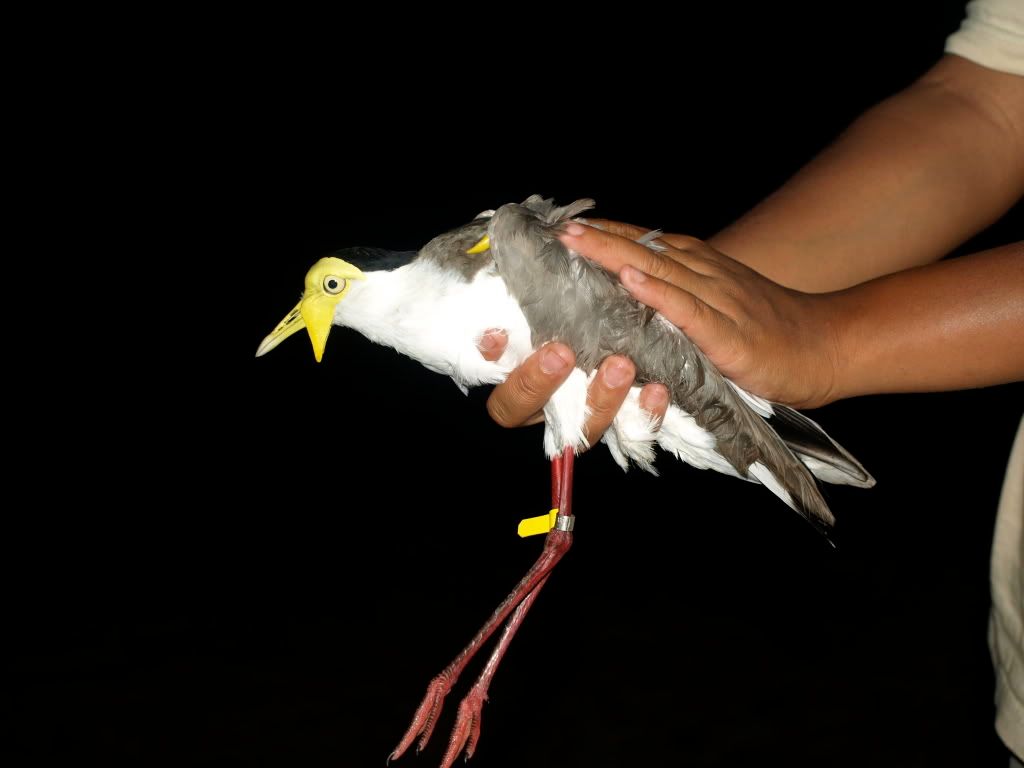
The Vanellidae, here Masked Lapwing:
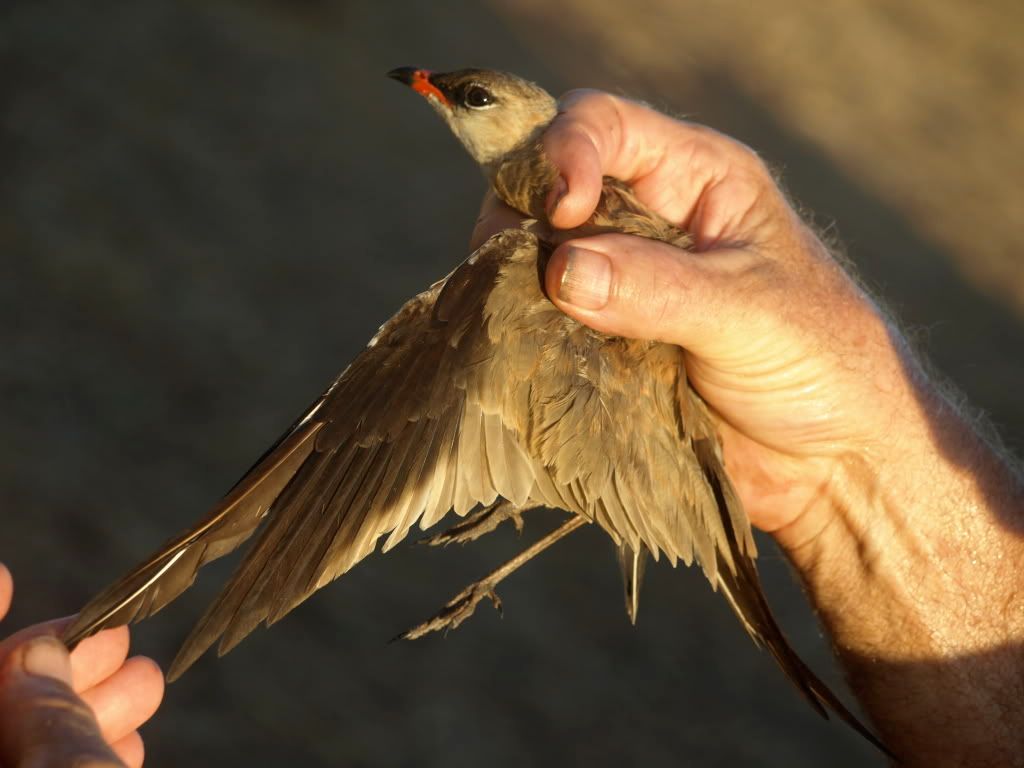
The Glareolidae, here Australian Pratincole:
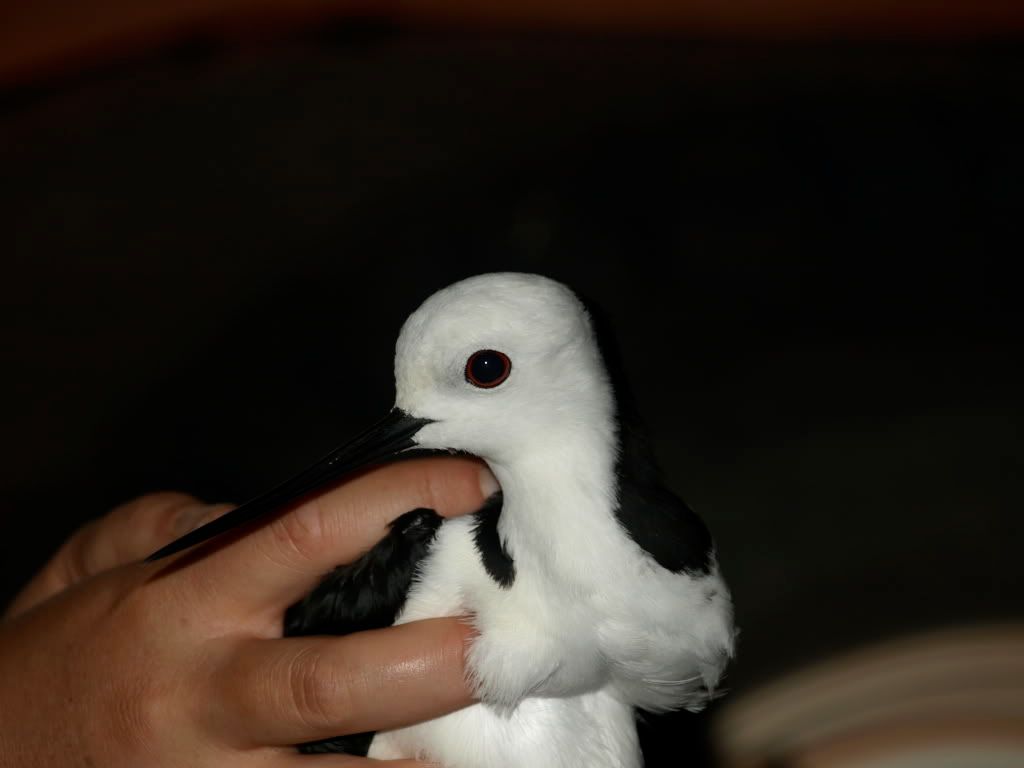
And the Recurvirostridae, here Black-winged Stilt:
Gulls bite, however, as do many (all?) auks. My favorites are terns, however. If caught at night, they can easily be placed on a desk, because they will not walk away. At Ottenby, when they catch terns, they place them outside the lab on a bench when they are finished, and most of them remain there until dawn!
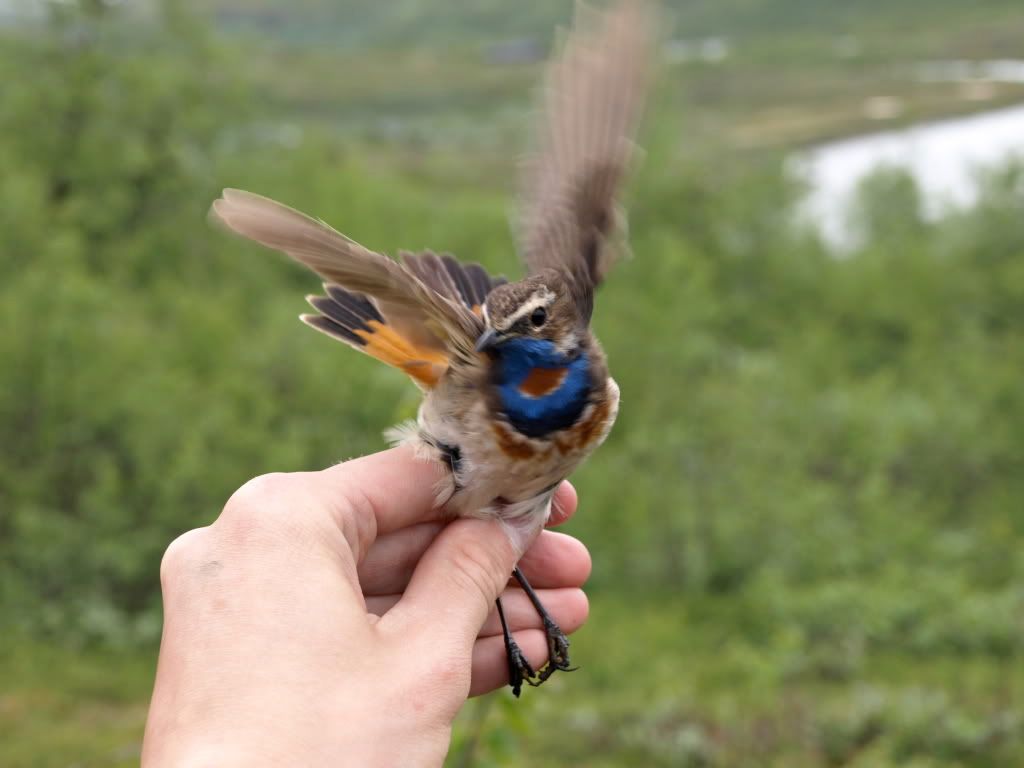
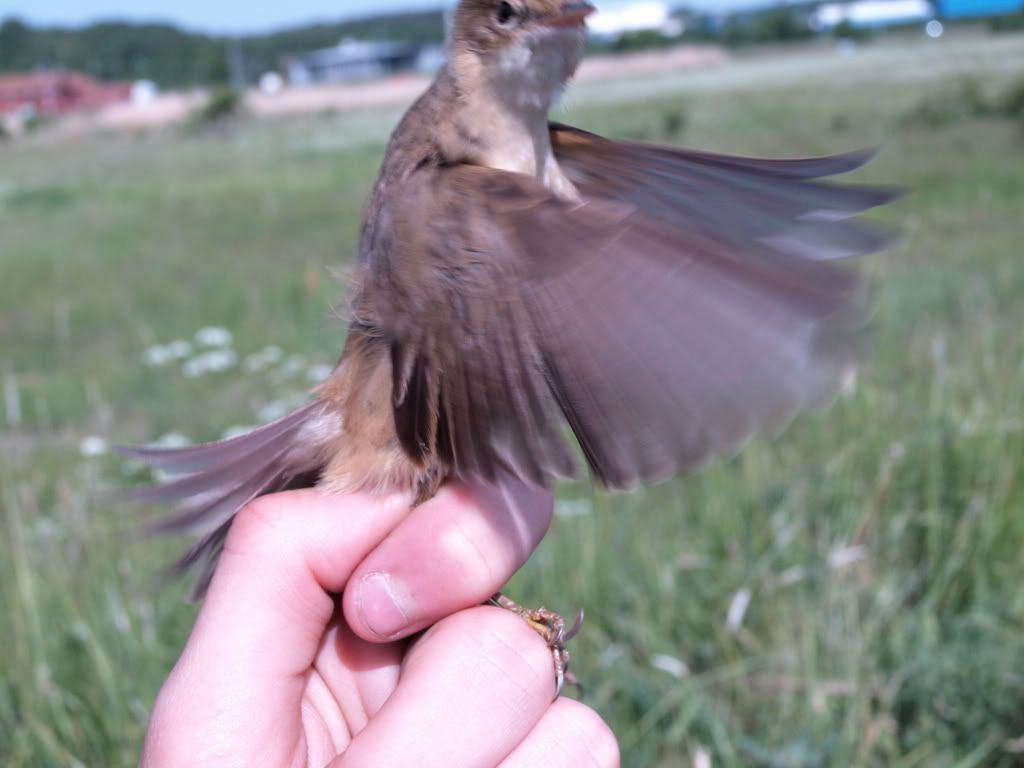
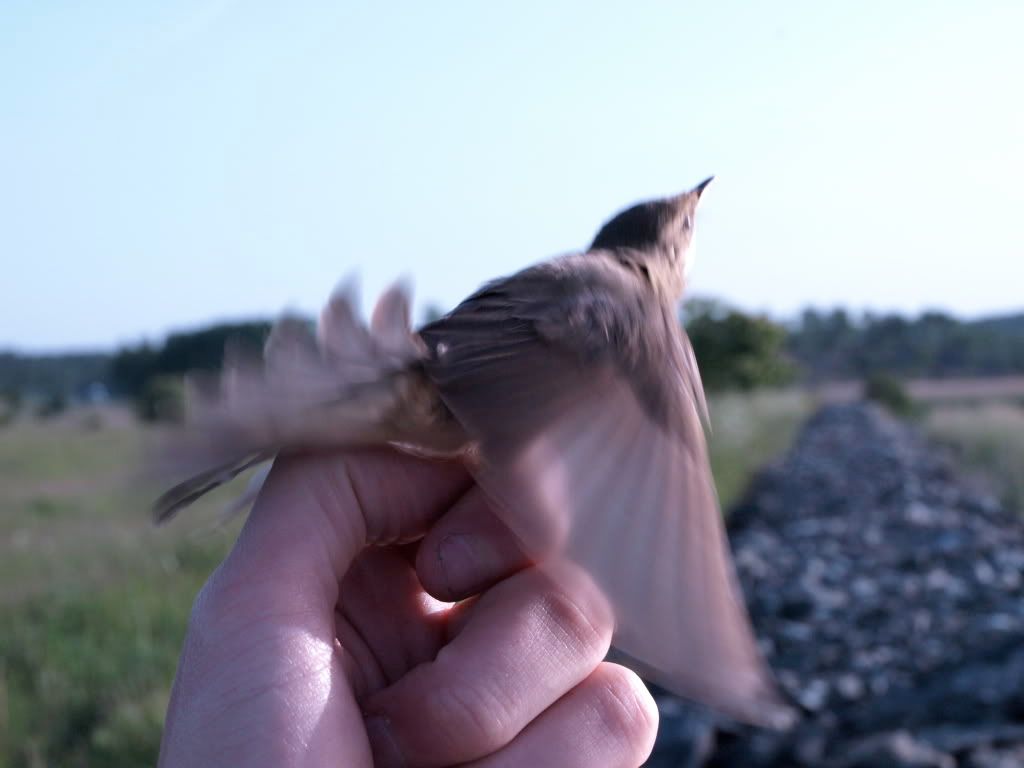
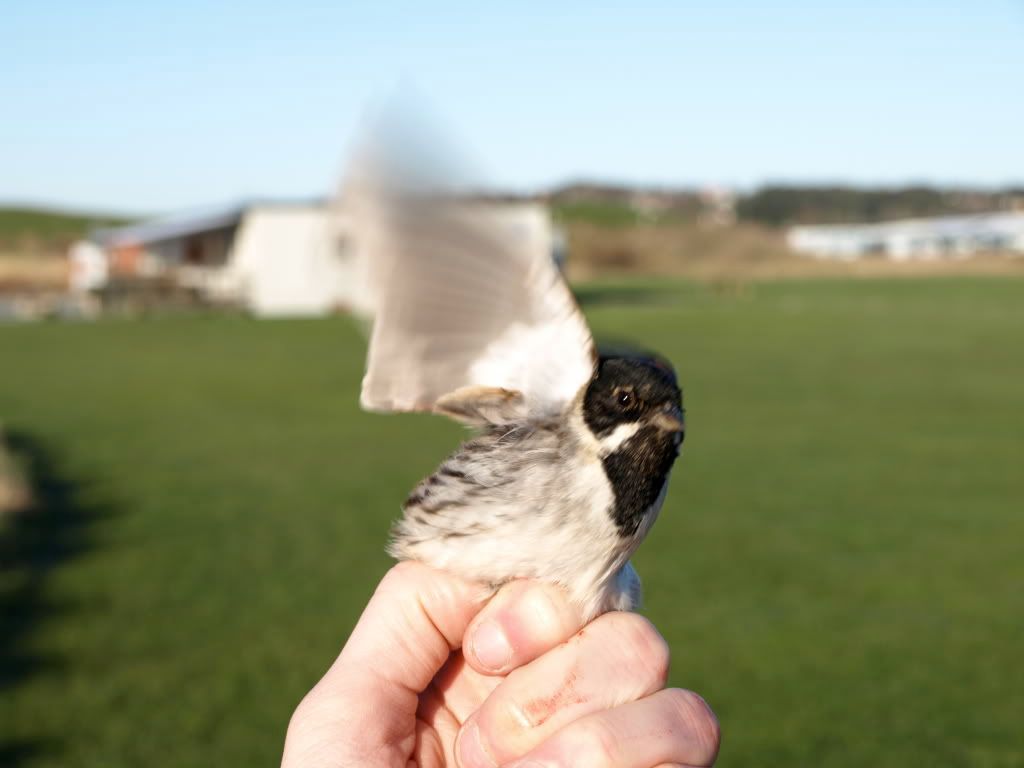
3. Many small birds like to make trouble
It was impossible to get a good photo of this Bluethroat:
Or this Marsh warbler:
Or this Reed Bunting:
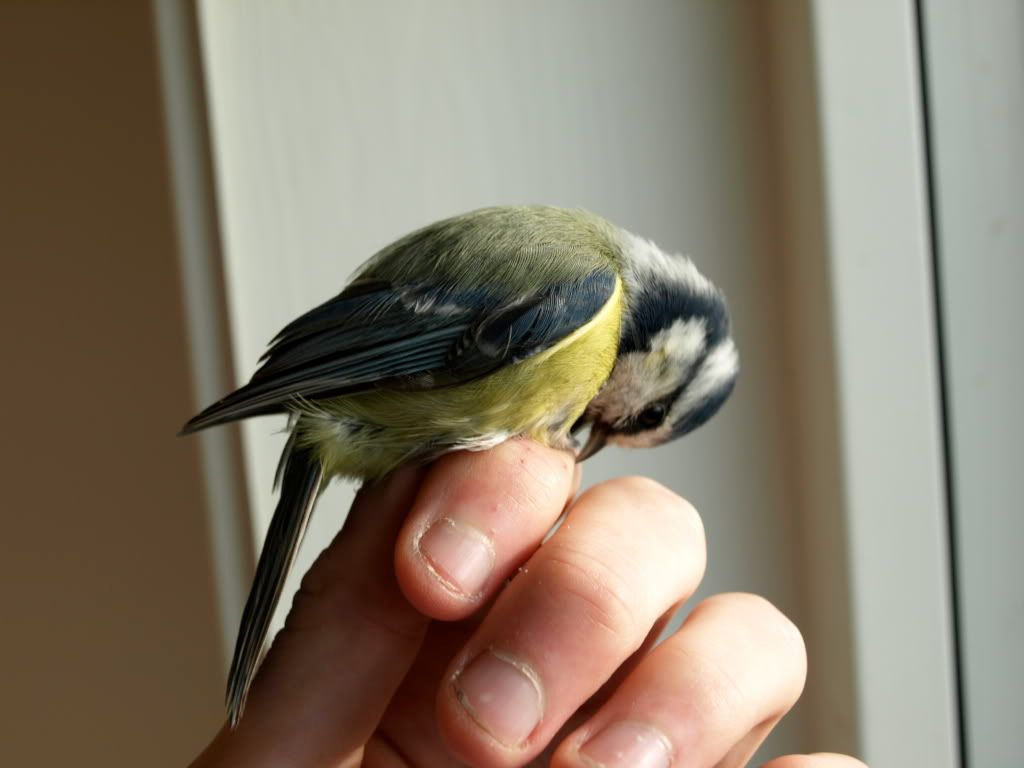
Tits, such as this Blue Tit, bite instead, which is not very pleasant:
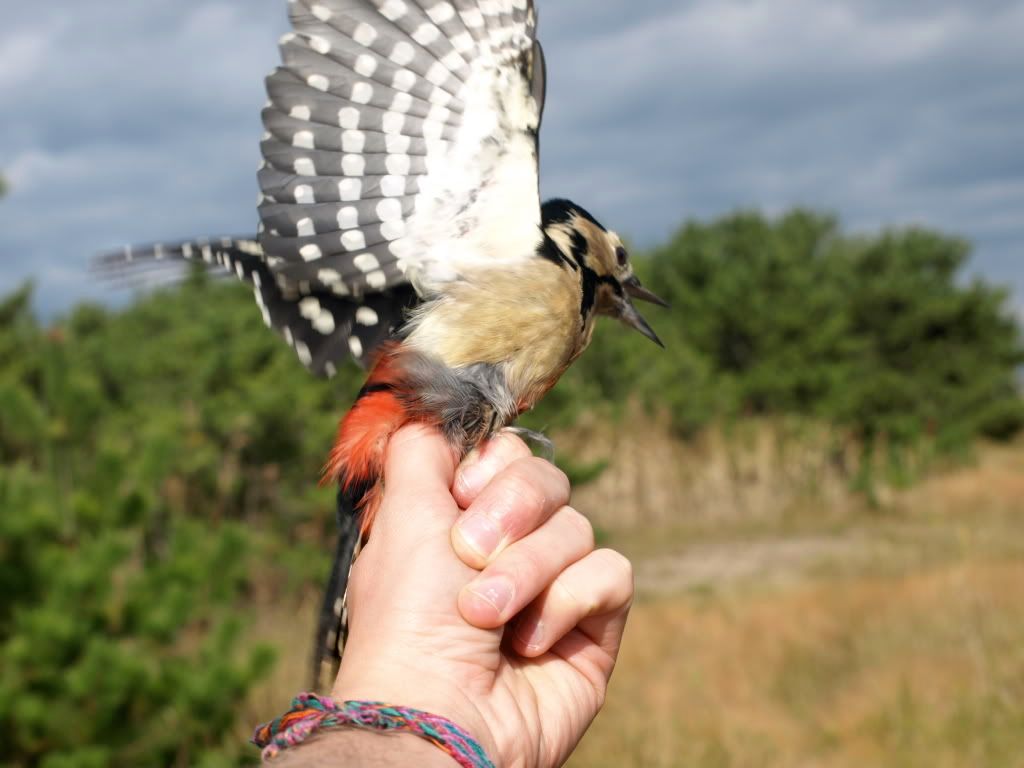
But not as bad as the Greater Spotted Woodpecker:
And not half as bad as a Gannet, a Bittern, or a Razorbill...
4. Birds will have the strangest behaviour in the hand
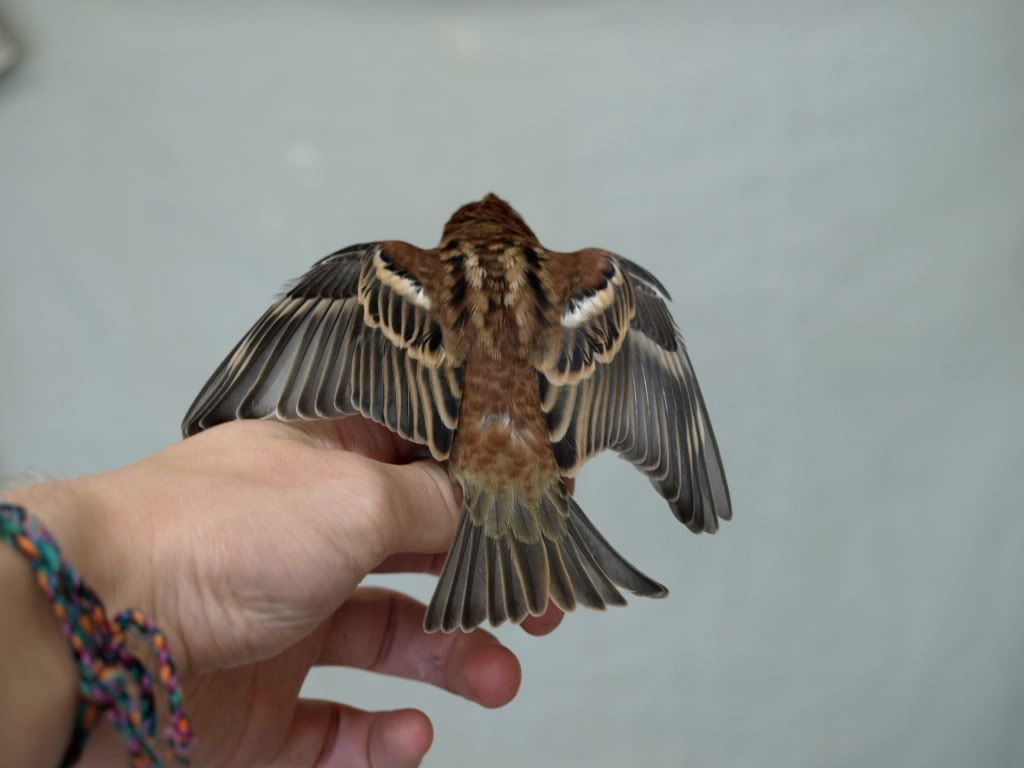
The Russet Sparrow, like the Tree Sparrow and the House Sparrow, will often extend its wings slightly, and... try to scare you, I guess:
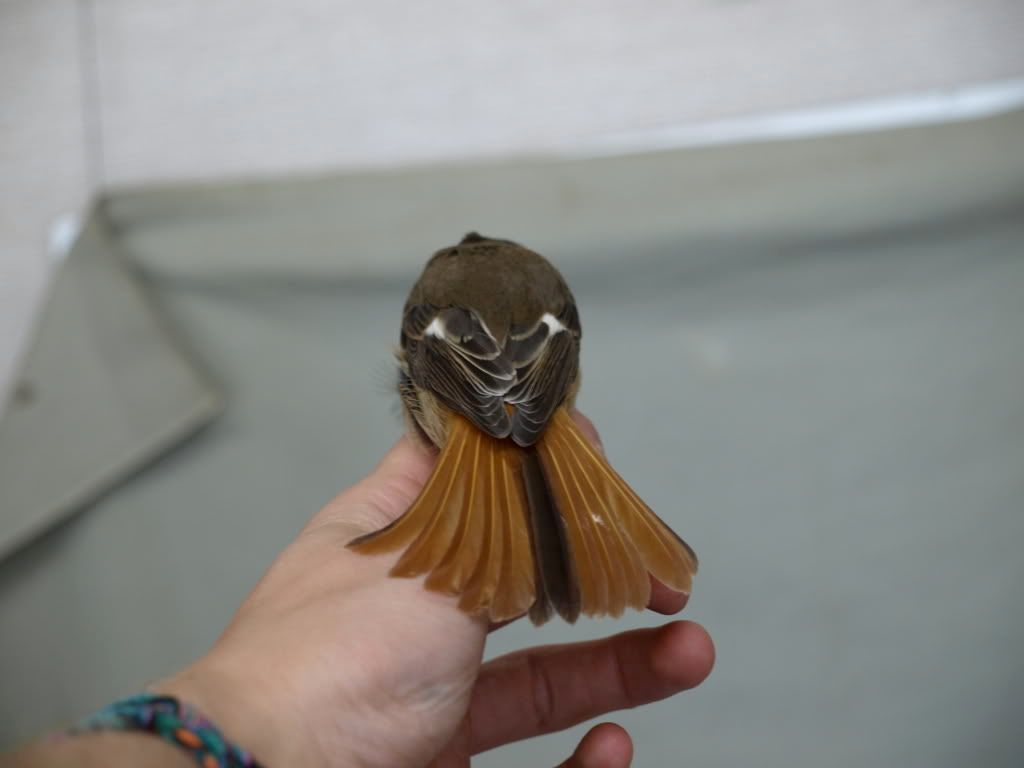
Some birds, like this Daurian Redstart, will instead spread their tails:
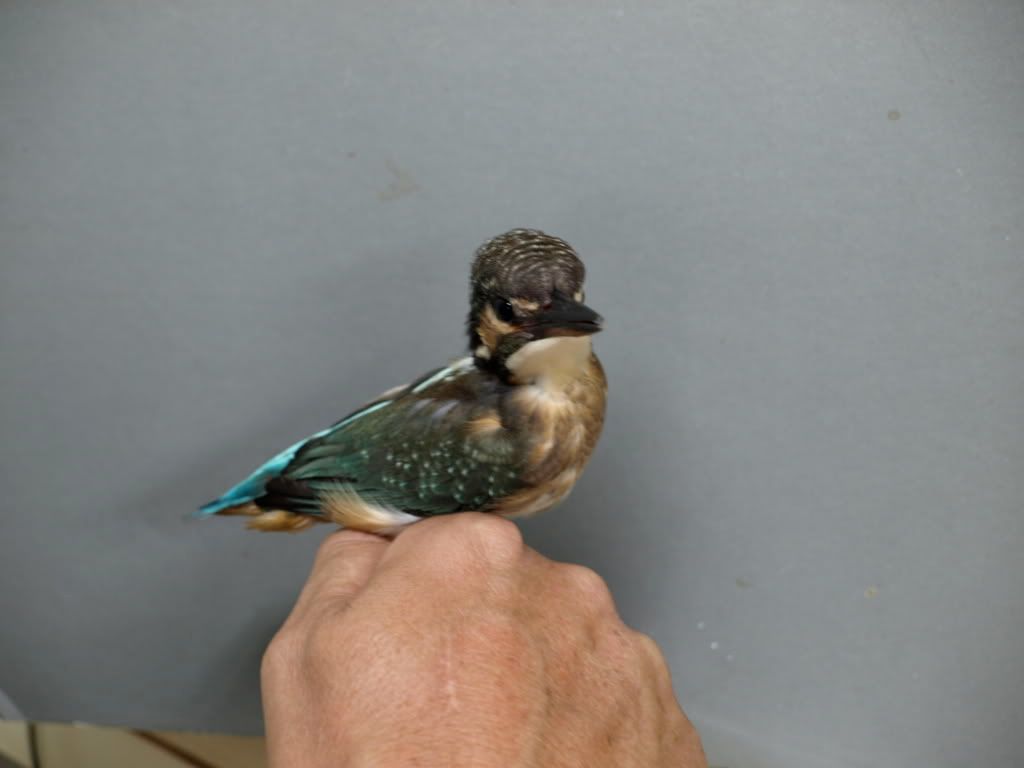
Kingfishers may rotate their head almost 360 degrees, and then back again, and again, and again... until you let it loose:
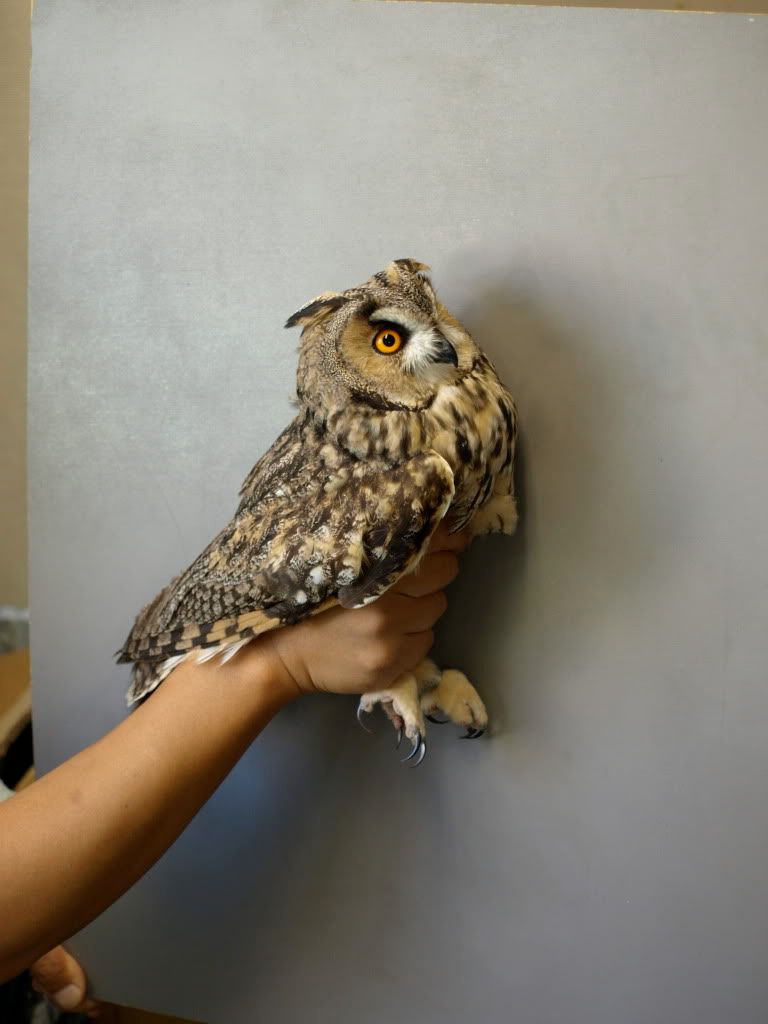
Owls, such as this Long-eared Owl, will look at you and do nothing, as if it would be beneath their dignity. However, dont' be fooled. Given the chance, they will pounce:
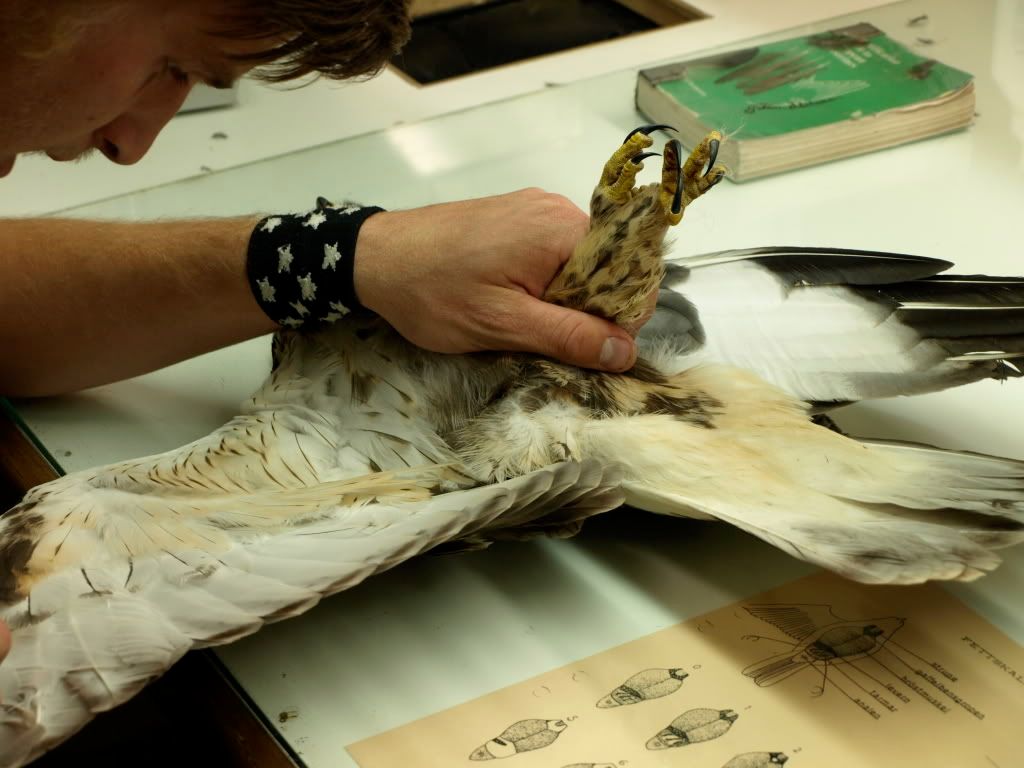
As will birds of prey such as this Rough-legged Buzzard which will actually pierce the bander's thumb in two places just a minute after this picture is taken:
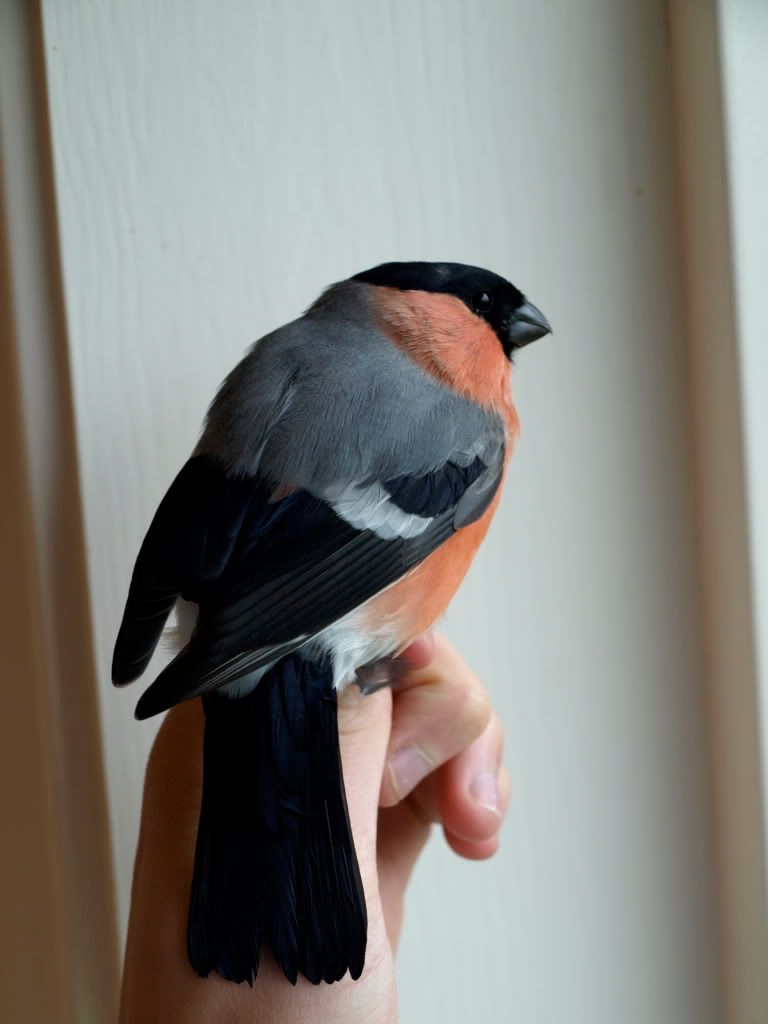
Bullfinches will do the opposite, and spontaneously die in the hand:
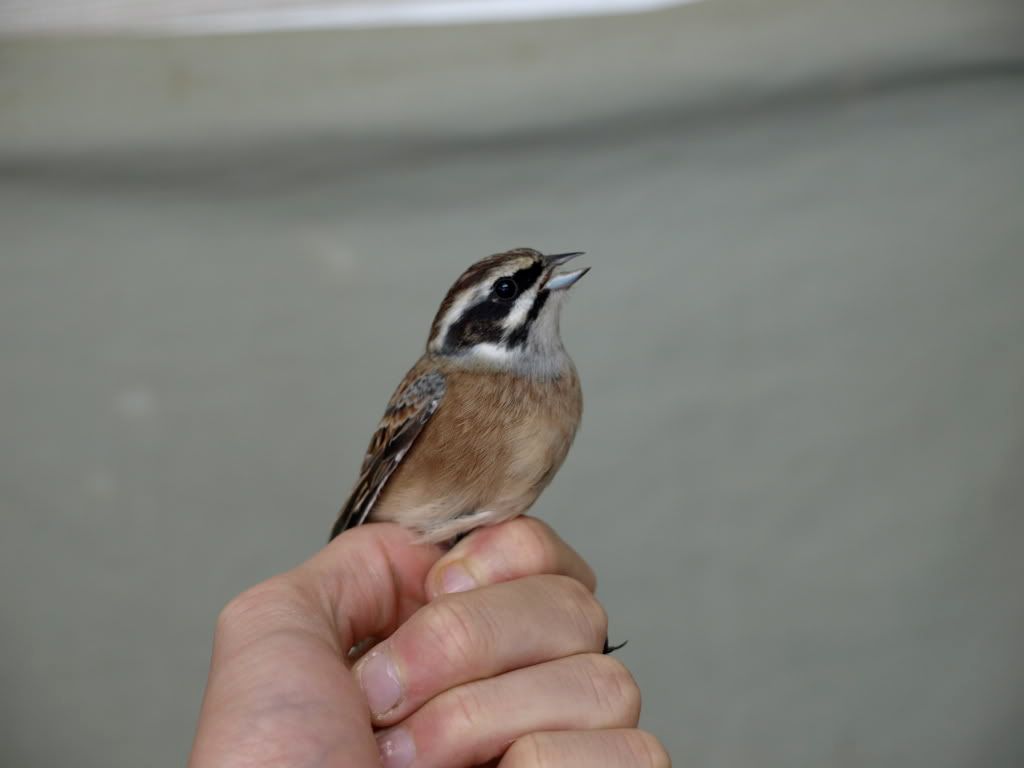
One of my favorites is the Meadow Bunting, however, which continuously goes "Chiii... chiiii..." in a very desolate voice:
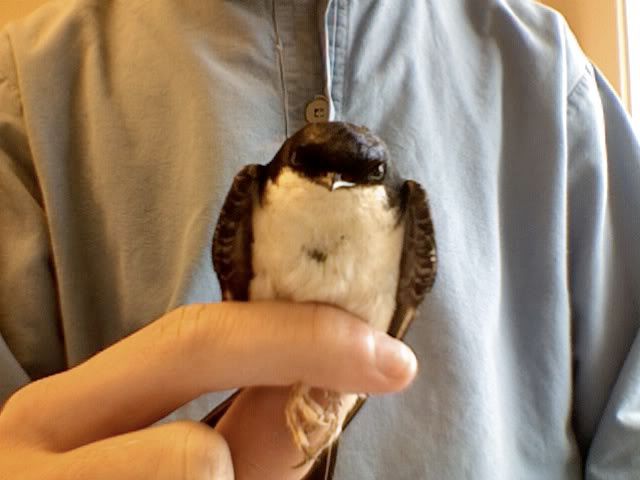
Lastly, House Martins will crawl around in your hand. They are unbelievably cute, as their feet are minute and covered entirely with short, almost hair-like, feathers:

 Live and learn



 .
.